
Here is the rundown of my top albums of 2024. There’ll be no rankings or ratings; the list just comes out in whatever order I write it. There’s even more electronic music on it than usual this year, though there have also been some very excellent guitar/rock albums I’ve enjoyed, plus a few surprising comebacks from some of my 90s heroes (no, not Oasis).
Four Tet – Three
Kieran Hebden is such a consistent and prolific artist that the announcement of a new Four Tet album doesn’t really feel like news. And along with a slew of other artists who seemed genuinely innovative when they emerged on the scene at the turn of the millennium, his music seemed to retreat into blandness for me and I long since stopped keeping track of new releases.
All that being said, I’ve got nothing but respect for Four Tet; having recently purchased his early albums Pause and Rounds on vinyl, I’d stand by both as being flawless 5-star classics. So it seemed worth dropping in on his latest album, simply titled Three.
From the loping lo-fi hip-hop drum beat that kicks off Loved and the sparse minor-key melody, it’s clear Four Tet is staying very much within his comfort zone. This is music that doesn’t intrude upon your senses; it’s muted, earthy, warm, soothing, pretty without being dazzling, and downcast (at times) without being sombre. I guess in modern parlance you could say it’s low-key.
Three seems to draw from all corners of Hebden’s discography. Daydream Repeat is textbook Four Tet, combining an irresistibly pleasant twinkling refrain and sprightly 2-step beat guaranteed to draw murmurs of appreciation and bobbing heads from an afternoon crowd at one of the many festival appearances Four Tet will’ve put in this year.
Skater is a little more surprising with hazy guitar work that feels drawn from some forgotten late 80s indie band. As with the whole album, the mood is very mid, but it’s a reminder that Four Tet was once an artist who refused easy categorisation. So much so, journalists had to cook up the new genre label, ‘folktronica’.
Coming into Three, I wasn’t expecting much more than something unobtrusive to stick on for home working. It definitely ticks that box but Hebden is such an accomplished musical artist that there’s always going to be more to engage the attentive listener. In latter years Four Tet’s been tagged with the ‘dadtronica’ label. Whether you see that as a diss probably depends on your lifestage; for me it’s probably a sign I should just realise where I’m at and embrace it.
Donato Dozzy – Magda
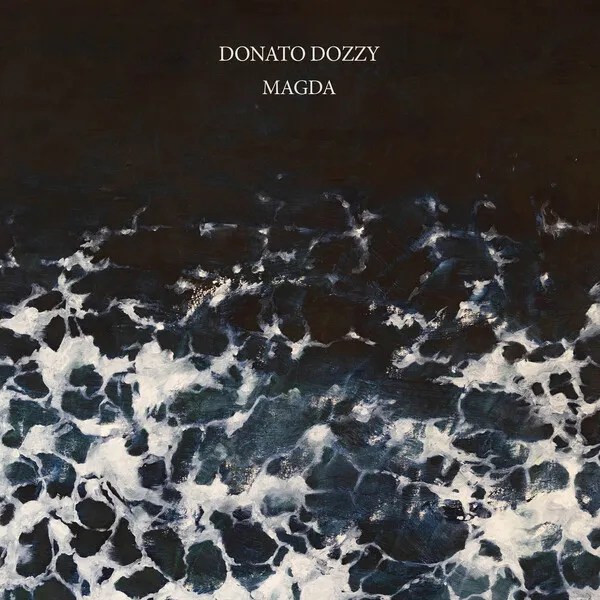
The beating heart of this record can be found in the transition between the pair of tracks, Franca, followed by Santa Cunegonda. The former being an outward journey, as a simple melodic loop repeats over and over to be joined by expansive pads, and you enjoy the sensation of lifting off into a wider space, like one of those drone landscape shots. The latter is, if not a decent exactly, then a change of course into a deeper realm as the mood thickens and the tempo becomes more insistent.
The power Dozzy wields more effectively than any other on Magda is restraint. Allowing his compositions to build gradually and deceptively, without resorting to flooding the mix with a wall of sound. So hypnotic is the progression of each track, you don’t even notice the absence of a kick drum, or in some cases any real percussion. It’s the fuzz and flecks of reverb that provide just enough texture to give the tracks rhythmic movement.
What seems simple on the surface becomes complex and unfathomable the more one subjects it to scrutiny. Like a shifting Escher illusion that only makes sense from afar, up close it descends into never-ending fractals and tesselating shapes.
In the wrong hands, this kind of mood-based kick-light techno could become derivative wallpaper music, but a master like Donato Dozzy guides you on a spiralling journey around what feels like an abyss, without ever fully taking you under the murky depths.
Multiples – Two Hours or Something
The mighty Surgeon has his hand in more than one partnership this year, teaming up with another titan of old school techno, Jochem Paap better known as Speedy J. Anyone familiar with their respective solo work would probably come into this expecting industrial strength techno, driven by relentless kick drums and scorching riffs, but Two Hours or Something is a different beast entirely.
The result of two producers holing themselves up in the studio with an arsenal of modular synths, Two Hours or Something is at times frustrating, beguiling, confusing and intriguing. Extended jams play out over ten minutes or longer in many cases, with ideas given free reign to develop and evolve…which ends up being both a strength and weakness of the release.
The most successful pieces are those where the duo manage to create a compelling enough atmosphere with all their atonal bleeps and bloops that the forward energy of the piece doesn’t lose its way. At times it feels like you’ve been helicoptered into the middle of an experiment and left to fend for yourself, for example on Sounds Good to Me which ironically given the title never quite manages to rouse itself into something appealing.
Elsewhere we witness the evolution of Child’s and Paap’s ideas in real time, the pulsing basslines and hectic interactions of God knows how many modular synths combining in unexpected ways, as on Spirit where a methodically rumbling bassline is joined by a siren-like melody that manages to be simultaneously manic and relaxing.
Two Hours or Something is a challenging listen regardless of the long runtime, which to be honest is too generous and it surely would’ve been a stronger release if trimmed by a third. Instead of hooks or much resembling a melody, one is consistently met with sprawling impenetrability. But it’s the unpredictable nature of the compositions that makes the record difficult to approach, as well as what makes it ultimately rewarding.
Doc Sleep – Cloud Sight Fade
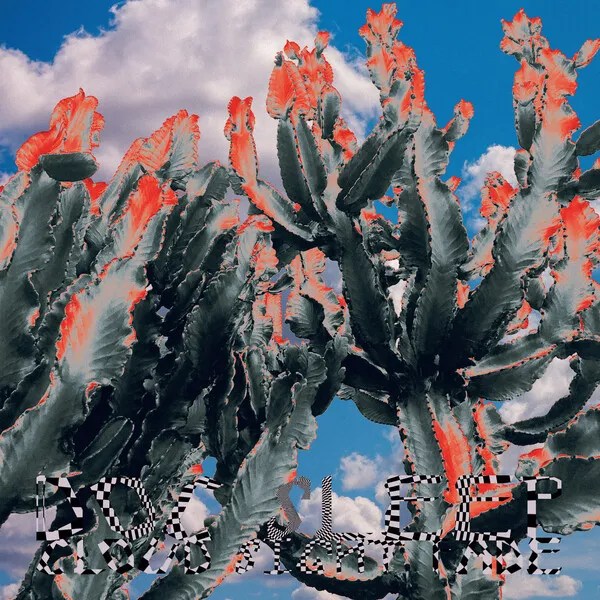
The debut album by Doc Sleep, Birds (in my mind anyway), ended up being one of my favourite electronic releases of last year. Meandering post-club techno that owed as much to the 4/4 beats of her adopted city of Berlin as it did to the more experimental electronic scene of the San Francisco Bay Area.
Coming hot on the heels of that debut, Cloud Sight Fade adheres more closely to the standard confines of techno but is no less appealing for being more direct.
The delightfully named Professor Eucalyptus has the bright synth tones and bouncy kicks of early 00s minimal house, but none of the languour. Another title that seems intended to stimulate the senses, Lemon Zest has more of a tribal feel, with a doubled kick drum and the kind of acid bassline and breaky snare fills that give more than a hint of 90s big-beat (with none of the bombast).
Palm Reader takes more of a dub techno direction, the bloopy melodic line hiding beneath the beat and susurrations of static. Water Sign is the standout for me, with a lush psychedelic vibe (which seems to be making its way into a lot of techno at the moment), an insistent tribal beat and gorgeously expansive soundstage. It’s the kind of track that instantly transports you, maybe to a sweaty festival tent or is it some kind of ancient ritual, during the hazy interval between afternoon and evening.
The whole experience of Cloud Sight Fade, from the evocative track titles to the bustling, sensual mix, is like walking into a head shop. Enticing sounds and smells beckon you towards an altered state, with the waft of nag champa pricking that sense of nostalgia, whether it’s for youthful nights of raving or something more primaeval.
µ-Ziq – Grush
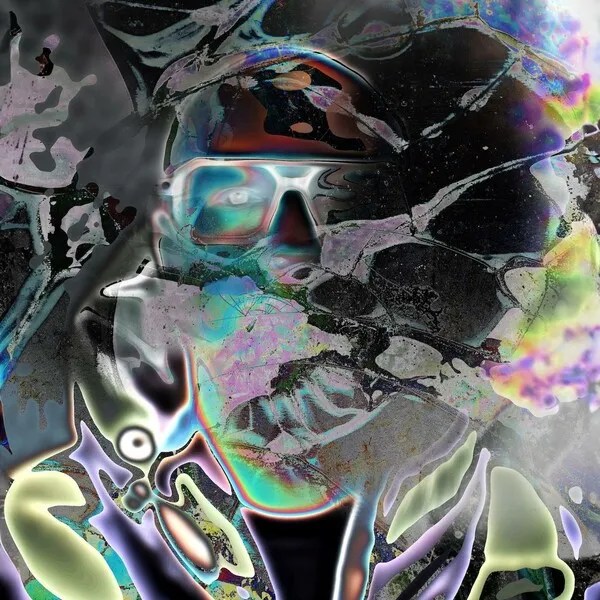
After the surprising left turn of last year’s 1977 album, Mike Paradinas continues his late-career prolific streak back on more familiar territory with a selection of tracks largely designed for playing live. On Grush, he returns to the neon-spattered acid breakbeat sound of 2022’s Magic Pony Ride, and it sounds like Mikey P is staking his claim to be lord of this domain.
Of the coterie of feted electronic acts who followed in Aphex Twin’s wake, after all these years Paradinas could well end up being judged as the most consistent journeyman of the whole lot. Grush doesn’t offer anything you haven’t heard before, if you’ve more than a passing familiarity with Braindance/IDM, but as offerings goes, it’s top drawer stuff.
The arrangements are popping with detail, but not overbearingly complex or hectic; µ-Ziq seems to have tamed his penchant for piling the mix with too many elements at once. Years of heading a label consistently at the vanguard of rhythmic electronic music (breakcore, dubstep, footwork etc all had pioneering releases on Planet Mu) have left their mark on his beatwork. The tracks on Grush move with a confidence whatever era they’re leaning into and flit comfortably between styles without feeling beholden to a particular groove.
As a whole, it feels like a victory lap that begins in early 90s rave, runs through the mid 90s breakbeat-led experimental phase and out into the sidechained swagger of the 00s and 2010. There’s plenty of what I’d call ‘classic’ µ-Ziq melodies, uplifting and optimistic with a hint of cheekiness. The latter being a quality often lacking from this kind of music. I think I can also spot a few vocal parts supplied by Paradinas’ partner and fellow musician, Lara Rix Martin, adding a welcome organic layer beneath all the day-glo synthetics. Good fun stuff.
Terminal 11 – Suffocating Repetition
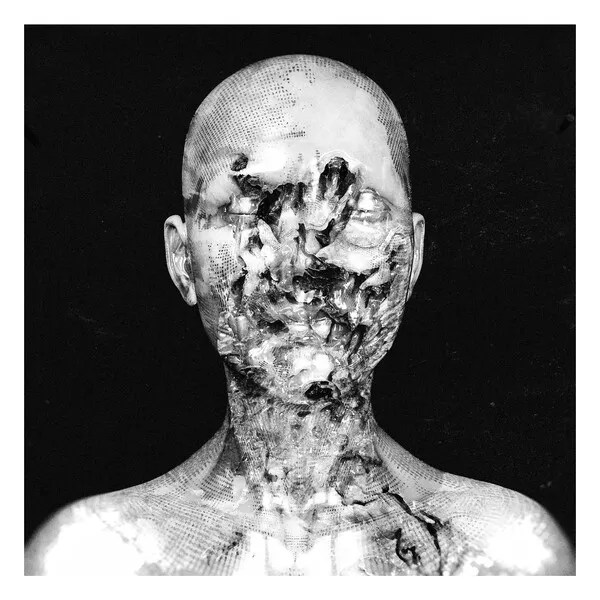
I’d have thought by 2024 we’d seen the last of the ‘lockdown albums’. But apparently there are releases born of that time that are still only surfacing now. Michael Castaneda, aka Terminal 11, describes this EP as “an expression of the heightened tension that came with existing in a room that operated as a work office, creative space, and bedroom between 2021 and 2023.”
I hadn’t really listened to Terminal 11 since the early 2000s, when breakcore was in the ascendant. Rather than the aggression and darkness favoured by the leading lights of the scene (Venetian Snares et al), Terminal 11’s idiosyncratic take was characterised by restless, fidgety beats and a kind of light-hearted geekery. One thing his music definitely wasn’t was repetitive, with barely two bars repeating the same sequence.
But the monotonous days of the pandemic forced Castaneda to confront repetition and integrate it into his music. While Suffocating Repetition is hardly repetitive in the usual sense – the beats stutter and jitter all over the place and electronic pulses whirr and crackle like misfiring electric equipment – there’s a relentlessness to the compositions that was missing from his early work.
The bolshy acid line that propels Racing to Nowhere sounds like it’s headed for the dancefloor but shortly descends into clouds of murky ambience, the promise of propulsive energy dispelled by a malevolent lethargy. The first three tracks all have the kind of ‘computer-programme left to run amok’ feeling of Confield-era Autechre, along with the synthetic a-melodic sound palette to match.
Suffocating Repetition manages to capture the weird dichotomy of anxiety and boredom that defined the pandemic for so many people; the feeling of energy with nowhere to go that constantly bounces against its own limitations. It’s a dense, claustrophobic listening experience with few moments of release and an unforgivingly inorganic aesthetic. But despite the narrow confines imposed on Castaneda (physically and metaphorically), he’s able to flex significant production and arrangement skills. The endless details in the beats will especially appeal to anyone in thrall to the geekier end of the electronic music spectrum.
The Black Dog – Other, Like Me
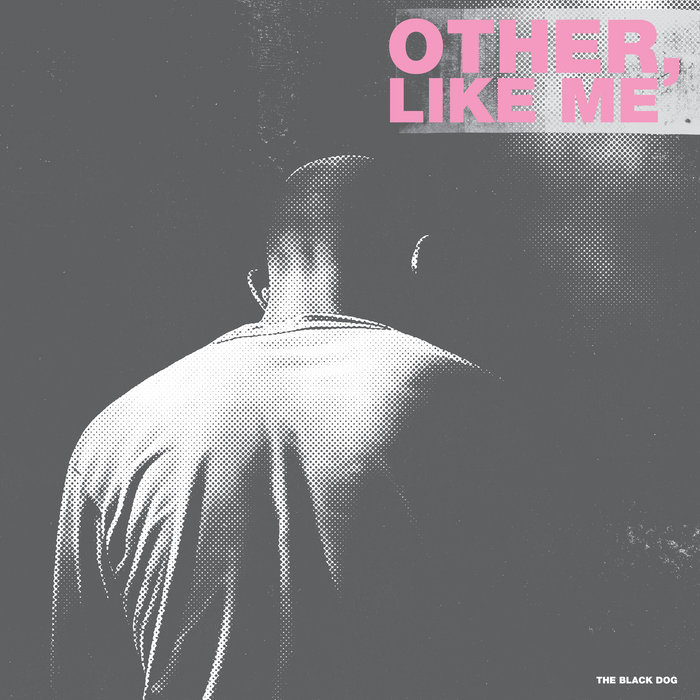
The current instantiation of The Black Dog are on seriously prolific streak, releasing the equivalent of four albums last year. Never an act to shy away from putting a serious ‘message’ behind electronic music, Other, Like Me is an “exploration of the artist’s psyche”, and an invitation to confront the darker thoughts about one’s own self-identity…all while celebrating the pursuit of creativity, apparently. It’s also the title of a recent documentary about industrial pioneers and provocateurs Throbbing Gristle and COUM Transmissions, both hugely influential on electronic music in general and industrial music in particular, which surfaces in the dystopian urban decay aesthetic explored by the Black Dog.
Although the name of the original Black Dog trio was coined back in 1989 (which is hard to believe), they seem to have returned to its original meaning, as the metaphorical manifestation of depression or self-doubt that lurks in us all from time to time. Their latter albums are not exactly known for being carefree frolics through sunlit uplands, so despite the heavy description, Other, Like Me is pretty much business as usual.
The Black Dog have truly become masters of the niche they’ve carved for themselves. Whether it’s the desolate ambience of 2021’s Music for Photographers, or the pulsing electro rhythms of last year’s Grey Album, their brutalist take on ambient and techno is instantly recognisable and completely their own.
On Other, Like Me the trio wield industrial beats more liberally than on recent releases and an oppressive gloom broods over much of the record. There’s enough forward motion that it never feels like a trudge, but it’s definitely not one to put on if you’re in a delicate frame of mind. If track titles such as, With You I Still Feel Alone, Just Pretend to be Someone Else and Closed Eyes weren’t warning enough of the dour mood.
But if you’re feeling brave enough to confront some of your own demons, or just want to stick on some beats and brood, this is the soundtrack to do it.
Jon Hopkins – Ritual
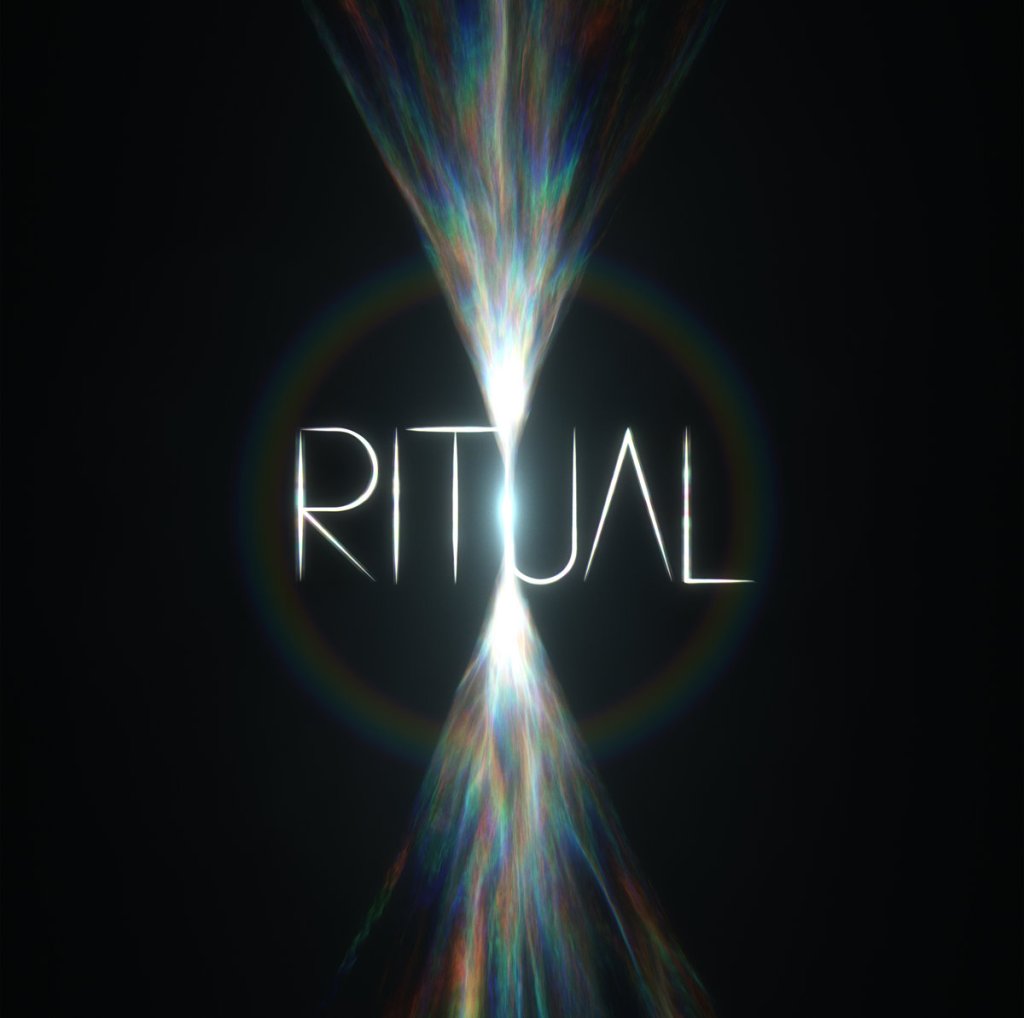
I’ve never considered myself a Jon Hopkins fan, tending to think of him as the Coldplay of electronic music. Immunology completely passed me by at the time, and while I can see the appeal – rousing melodies, rhythmic drive and a sense of epic scale all wrapped in an accessible package – I’ve never bought into its greatness.
Singularity is a fine album but again not one that reaches the lofty heights it aspires to. And I never got round to checking out his previous album, Music for Psychedelic Therapy. I sympathise deeply with the approach behind it and Hopkins seems to be sincere in his endeavours. But there’s something in the prescriptiveness of that title that puts me off. If I’m gonna be listening to a record called Music for Psychedelic Therapy, I want to at least be on psychedelics (sadly a pursuit I have precious little time for these days).
All of which brings us to Ritual, another album with a prescription – to accompany a ritual obviously, though it’s up to the listener what the ritual constitutes. Just as you could say there are dozens of albums that would be ‘perfect’ for psychedelic therapy, no doubt there are even more that come to mind as suitable soundtracks for ‘rituals’, especially given how open-ended a brief that is.
But… putting all that aside and taking Ritual at face value, it’s actually pretty good. Essentially consisting of one extended piece, which begins softly before building to a crescendo then fading out. Sounds simple on paper but it takes artistry to execute in a way that’s truly engaging and holds you with it for the entire journey. And at just 40 mins, taking the whole trip doesn’t feel arduous.
Hopkins and his collaborators pace the composition perfectly so no phase lingers for too long and there’s always a sense of unhurried progression. He also avoids the trap of making the big climatic moment the sole payoff of the album. Obviously it provides the cathartic release the previous phases have been building to, but that doesn’t mean the rest of the album isn’t worth listening to. It truly is one whole piece, artfully and sparingly constructed.
British Murder Boys – Active Agents and Houseboys

Brutal, bracing and…British, UK techno’s heaviest heavyweights Regis and Surgeon are killing it with their first full-length studio album as British Murder Boys.
Unless you take solace, as I often do, in a relentless pounding kick drum then you’ll find little comfort in this record, which sits in a lineage running from post-punk and dub, to early industrial pioneers Throbbing Gristle and the pounding techno of Berlin, plus of course Surgeon and Regis’ brutalist techno outpost of Birmingham.
Anthony Child and Karl O’Conoor are legends in their own right, but their early releases as British Murder Boys seem to possess a mythic status – fusing industrial, noise music and macabre imagery and samples, plus of course that relentless energy – boss-level weapons to be deployed only in special circumstances.
While techno shares punk rock’s appeal to physical energy, it tends to be less confrontational in stance. But BMB turn that on its head as well as lean into the post-punk aesthetic which seems to be permeating so much music at the moment. Active Agents & House Boys is shot through with a piercingly wry attitude – sometimes mocking, challenging, goading – with Regis himself providing vocals on several tracks, at times sounding like an unhinged shaman, or a preacher exhorting his flock to revolution.
Unsurprisingly for anyone familiar with British Murder Boys, Active Agents is a bruising listening experience. Virtually every track includes the same detuned kick, wielded with unremitting intensity, so energy levels are high but haunted by an unforgivingly harsh atmosphere. Given the chaos and catastrophe that has unfolded constantly over the course of 2024, it feels like a record of its time.
Floating Points – Cascade
Sam Shepherd’s collaboration with Pharaoh Sanders, Promises, was the record to be seen to dig in 2021. Cascade is a full about-turn away from spiritual jazz to the most straightforward ‘dance’ album Floating Points has ever put out. There’s nothing particularly groundbreaking about most of the tracks here, but it’s hard not to concur with most of the plaudits Cascades has attracted, as Shepherd does what he does very well, and sounds like he had enormous fun in the process.
Vocoder (Club Mix) sets the pace right away, with a broken beat and tweaked vocal sample drawing heavily from the 2-step UK Garage sound, which seems to have embedded firmly in dance music’s DNA since its renaissance a few years ago. The tempo continues at this breathless pace for a good portion of the album, with Shepherd building things up and letting them drop with the joyful aplomb of a bobbing DJ behind the decks.
His references go deeper on Birth4000, a barely concealed homage to Donna Summer’s I Feel Love. The euphoric vocal, with its exhortation to abandon yourself to physical euphoria, coupled with Moroder bassline and 4/4 beat is the blueprint for so much of electronic music it would be something of a gauche choice for a reference, but given he collaborated with a bona fide musical legend recently, Shepherd is obviously feeling confident in his choices – and manages to pull it off here too.
The latter half of Cascade is more experimental, as squiggly electronics take over from arpeggios and rave build-ups, and the punchy rhythms threaten to collapse under an avalanche of digital glitches. The sense of club music being deconstructed before your ears is closer to his 2019 album Crush, and a sound more usually associated with Floating Points.
For an artist who always seemed to be situated at the forward-thinking end of electronic music, Cascade doesn’t do much to push the envelope or evolve the Floating Point sound. But rather than bold experimentation or daring avant-gardism, maybe what’s needed now is a reminder of the healing and unifying power of dance music.
Paranoid London – Arseholes, Liars and Electronic Pioneers

At George’s Music Blog, we like to apply the three-tick test to dance music: Filthy? Acid? Bass?
Paranoid London pass all three with flying colours with a hundred-weight of pure acid techno that seems to have dropped fully formed out of nowhere. You’d think that well over 30 years since the advent of acid house, we’d have run out of exciting ways to combine kick drums, hi-hats and 303 basslines. And then two mysterious chaps in shirts and ties turn up with 12 cuts of unadulterated acid mayhem that sound so fresh it’s like no one ever thought of doing that before.
Having Bobby Gillespie provide vocals for the floaty intro People (ah yeah) is a good way to get people’s attention, and set the acerbic tone. Gillespie seems to be mocking the utopian ideals promised by the original acid house explosion with his sardonic delivery, and it’s clear Paranoid London revel in the darker side – the long and enduring paranoid comedown (which Gillespie has spent the larger part of his career documenting).
Post-punk smears its grimy fingerprints on dance music again, as on Love Oneself featuring Joe Love, which rather than celebrating the unifying love-for-all of rave music, is an ode to self-pleasure. Josh Caffee contributes deliciously nonchalant vocals to Start to Fade, an electro-noir so pitch-perfect you can taste the cigarette smoke and cheap aftershave of misspent nights out.
But my fave is Fields of Fire, featuring Jennifer Touch, which perfectly calibrates all the elements that give acid its enduring appeal: walloping beat, seething bassline, lush female vox. Just the right proportion of tension is left in the mix, the way the snare and bass distort as they rub against one another is in perfect synchrony with the movement of your jaw, the friction of your back teeth grinding and sweat glands easing their way open, as your body prepares itself for another wave of serotonin. Some things just make sense. What comes down, must come up.
The Mercury Rev – Born Horses
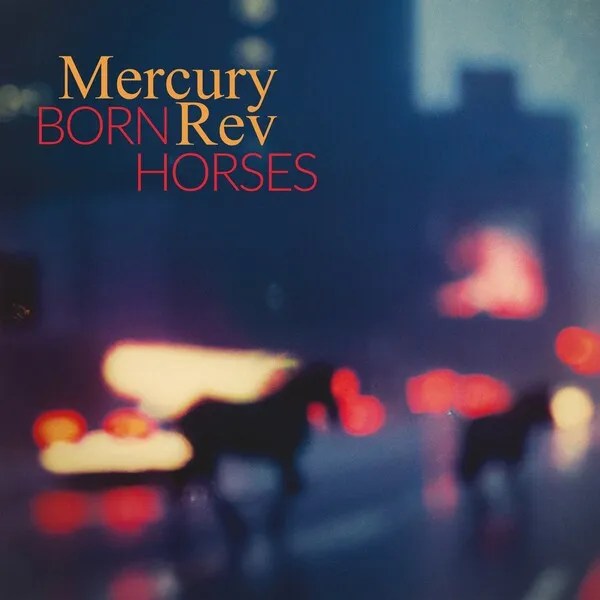
From the moment I heard the spoken-word vocals that open Mercury Rev’s surprise return, Born Horses, I knew this would be a record to divide opinion. The artwork is more than a nod to their opus, Deserter’s Songs, one of those rare moments of genius where a small band of wounded individuals in unlikely circumstances somehow wove together threads of American music history into a timeless piece of magic.
Mercury Rev have always been something of an acquired taste, with a penchant for earnest melodrama expressed by lavish instrumentation and draping all their projects in a kind of twinkly finery. Donahue’s vocals were an integral part of this style, usually delivered in a reedy falsetto; at his best sounding like a psychedelic troubadour with the weight of the world on his shoulders.
But on Born Horses, the Rev have twigged that spoken-word is in; although Donahue’s whispery croon is nothing like the sardonic sprechgesang favoured by post-punk acts and more like the narrator of a children’s fairy tale. Starting with Mood Swings, I initially thought this was just a kooky way to open the new album, but he commits to it for the entire duration.
For some listeners this’ll be too much to get past, as it has the effect of hyper-foregrounding the lyrical content, which to be honest is a little overwrought. Mercury Rev’s lyrics often tend towards magical realism, which has resulted in some stunning songs. We get glimpses of that on Born Horses, e.g. a classic Donahue metaphor “vanishing faster than Irish sunshine”, but most of the time they leave an overly saccharine taste in the mouth.
But if you’re willing to suspend disbelief, the music is sublime. Everything sparkles with the promise of magic and mystery, of loss and wonder, like an old Disney classic. Brushed cymbals, luxurious horns, saxophones, strings, flutes and all manner of organs do their best to create an atmosphere worthy of the ridiculousness of the lyrics. And just occasionally, everything falls into place and you feel as though you’ve slipped into a world of fantasy.
Squarepusher – Dostrotime

A belated product of lockdown, ‘Dostrotime’ was coined by Tom Jenkinson for that weird time when life seemed to stand still. For Squarepusher, this meant time free from distractions to pursue musical experiments. Not that lack of creativity ever seemed an issue for the ‘pusher, but I guess lockdown opened up even more opportunity for creativity.
Dostrotime will be recognisable to anyone with a passing familiarity to his work, so in a sense it’s a classic Squarepusher album with the usual hallmarks: jungle breaks chopped and programmed to within a microsecond of their life; cosmic synth melodies; virtuoso bass playing over 180bpm drum tracks; migraine inducing acid rave-ups; all interspersed with interludes of delicately plucked acoustic guitar.
Not that it can be reduced to its component parts. Squarepusher’s been in a league of his own for so long, a singular and distinctive musician often emulated but never bettered. Whereas many artists with long careers struggle to reinvent themselves within their chosen style, Squarepusher only seems to expand his musical universe. So you never know what a new album’s gonna sound like, except it’s gonna sound like Squarepusher.
Wendorlan is an absolute monster, and joins classics like Chin Hippy and Anstromm-feck 4 as exercises in audacious ‘look what I can do’ bass fuckery. Duneray could be the soundtrack to a sci-fi space battle between alien fleets duking it out over a distant planet. And on Holorform, the electric guitar adds to the general cosmic vibe to concoct a proggy space-opera, on paper something that ought to sound bizarre coming from Squarepusher but weirdly feels like he’s been laying the groundwork for for years.
Dostrotime takes some spins to get used to, simply due to the hectic level of detail and variation across the tracks. It’s less punchy than recent albums which stuck to one sound or creative process throughout, whereas Dostrotime feels freer in scope.
So refreshing to see an artist as long in the game as Squarepusher who remains as innovative and uncompromising as ever; maturing his sound but not sacrificing what made his music so thrilling 30 years ago.
Actress – Statik
I can’t deny I was underwhelmed and a little disappointed with LXXXVIII, Actress’ previous album. Statik is the record I wanted, if not a return to form as such then a return to a realm where he seems more at home and his uniqueness as a producer shines through.
Murky atmospheres – tick. Crisp downtempo beats – tick. Melodies that seem to creep out of nowhere, like shapes forming out of mist – tick. Everything that drew me to Actress’ sonic fantasy-land is here.
In the same way that the mark of a good writer is transparent prose, so the reader has no sense they’re reading a book and the thoughts of the writer are transmitted directly into their brain, there’s something transparent about Darren Cunningham’s compositions. Several times, I’ve put Statik on and it’s like it barely registers in my consciousness before the record is finished.
Which might imply the music is instantly forgettable, but quite opposite. By stealthily avoiding conscious awareness, Actress has burrows into a deeper part of the psyche, one that isn’t at the mercy of our ravaged attention spans. The tracks on Statik pull from electronic music’s deep and sprawling hinterland – that collective unconscious which has built up over decades, and which Actress is a master at navigating; something he’s referred to himself as sound discovery rather than sound design.
Statik is particularly coming into its own, now the nights have drawn in and I’m sitting in the glow of an anglepoise lamp while the light fades outside. It reminds me of the same eerie feeling listening to Karma and Desire towards the end of 2020 when it seemed like the whole world had stood still…and became Statik.
Skee Mask – Resort
With the release of his ambitious double-album Pool in 2021, Bryan Muller seemed to reach a creative zenith. Since then he’s self-released four albums of previously unheard tracks, which by all accounts only served to flesh out his now well-established sound rather than break new territory.
Resort sees Skee Mask back on his longtime label Ilian Tape, with a ‘proper’ new album, which I hoped might herald an exciting new direction. That turns out to not be the case. Instead Resort fits very comfortably into the signature Skee Mask blend of breakbeat, techno, dub-techno, house and in this case particularly ambient, making it the most ambient Skee Mask project so far.
I’m not familiar with the trove of self-released tracks to say he’s evolved his sound much, but it feels like Muller takes even more care weaving his amorphous soundscapes, knitting together ideas so the interplay of various elements is more subtle than ever.
Ultimately, if you know Skee Mask then Resort is nothing new but that’s not to say it’s an uninteresting album – it’s excellent. With masterful beat programming, the compositions hop nimbly across genres and tempos yet always with the sense of being driven by one purpose. Some producers seem to treat melodic and ambient elements like an afterthought, but with Skee Mask every track is a cohesive whole, with epic pads and washes of sound coalescing and rearranging to create a vast and ever changing soundstage.
Listening to a track such as Hedwig Transformation Group feels like being transported through a vast transport hub, gliding past spotless metal surfaces and shafts of artificial light. Not to say it’s soulless, just placid and indirect. This sense of being an atom shuttled through some hyper-efficient network continues throughout Resort; glimpses of emotion feel transitory – like momentarily recognising a stranger on a train. All this gives Skee Mask’s music a futuristic and uncanny vibe. The melodies don’t impinge too much emotionally, and even when the beats go hard they feel coated in rubber, cushioned. Like a luxury product, all is ergonomic and slickly functional. Anyway, it’s right good.
Tapir! – The Pilgrim, Their God & The King Of My Decrepit Mountain

So many aspects of this release would be a red flag to me. The exclamation mark in the band name, the overly long and pretentious title, the story ‘concept’ of the album which is split across three ‘acts’ introduced by spoken narration, the folky elements of the music…hell even the fact there are six band members all wearing masks is the kind of zany signifier that would normally put me off engaging with the music behind it all.
But thankfully I managed to put all that aside because Pilgrim ended up being one of my surprise favourites of the year, bursting with so much creativity I’m already eagerly anticipating Tapir’s next move.
Each act is introduced with a spoken narration, delivered by Kyle Field of the band, Little Wings. His accent clearly coming from the other side of the Atlantic threw me off slightly as in all other respects, this is a very ‘English’ sounding record, in its folkiness as well as the gentle playfulness and eccentricity.
The album supposedly describes the story of a character (known as the Pilgrim) travelling through a landscape (referred to as the Nether). But you can just disengage from all that and enjoy the songs on their own terms. Something I’ve done pretty much every one of the dozens of times I’ve spun this, and not failed to be moved emotionally. Despite not really knowing what the songs are about, there’s a clear sense of a story being told, with all the highs and lows, obstacles seen off and resolutions reached that entails.
The picked acoustic guitars and lyrical references to nature and the natural world impact something of a folky vibe. Luckily the threat of tweeness is tempered by Tapir’s sparing use of electronics, with tippy-tappy drum machine hits providing a curious counterpoint to the organic instrumentation. The singer’s warbling vocal style will be an acquired taste for many; the way he manages to effect a drone-like sound on certain vowels prompts the obvious comparison to Thom Yorke. A good thing, in my ears.
Cristian Vogel – NEL Adventures
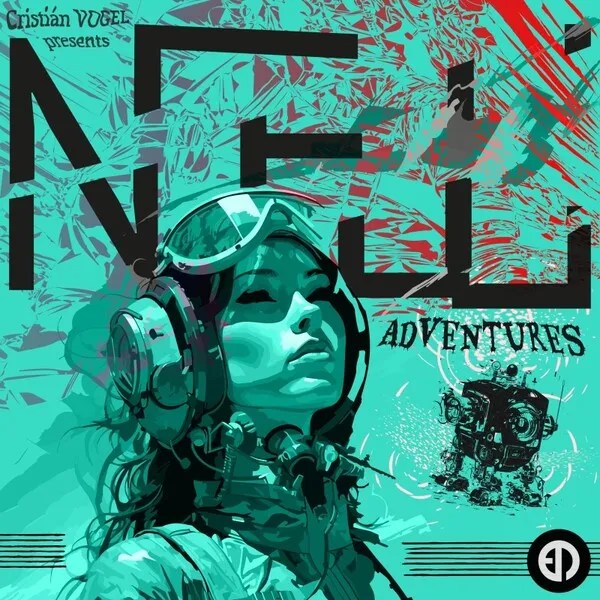
Chilean-born sound-designer, Cristian Vogel has been at the vanguard of experimental UK techno for nigh-on three decades with releases on Tresor, Novamute and Mille Plateaux, among many others. Yet for some reason I’ve only listened to a fraction of his discography.
Time to rectify that…but in the meantime, NEL Adventures is a collection of semi-improvised modular synth pieces that run the gamut from banging dancefloor crunchers, to moody dub work-outs to psychedelic brain-melters. Several of the pieces start in one place and end up somewhere completely unexpected, such is the nature of the live and experimental feel to the composition.
Not much else to say about this, other than if you enjoy forward-thinking techno that embraces mood and texture as much as it does rhythmic energy, look no further. A deceptively deep release from an uncompromising, unmistakable and dare I say it, under-rated talent.
Moby -Always Centered at Night
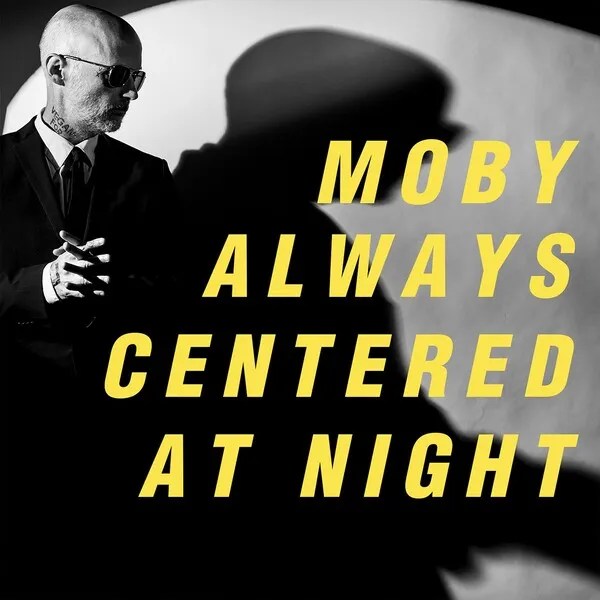
I didn’t expect to be including an album by Moby on this list, and to be honest the prospect of a new Moby album is not something that’s seemed attractive for a very long time. But as I hesitate to say it, Always Centered at Night, which features a different vocal collaborator on every track, is actually quite decent.
Moby’s come in for a lot of stick over the years, some of it deserved, some of it not. My main gripe is he never seemed to understand the true appeal of his own music. Reading his memoir Porcelain, you get the sense just how much of an outsider he was to the rave scene when he started out, and some lines suggest he has an odd take on the appeal of much dance music in general.
Moby always seemed unsatisfied with how he was categorised as a artist, and as a result would either wrong-foot his audience by going in a completely different direction, like his disastrous attempts at a ‘rock’ sound, or water it down to such a tepid level it lost all sense of individuality.
On Always Centered at Night, Moby puts his ego to one side completely and uses his skills as a songwriter and composer to shine the spotlight on his far less well-known collaborators.
There’s nothing remotely groundbreaking or genre-pushing here, just 13 very accessible and tightly crafted dance pop-songs. I tend to avoid vocal electronica, and it took a few listens to get accustomed to the sheer range of voices present on the album. But having got past that, the variety becomes a strength and by staying off the mic and restraining his schmaltzier impulses, Moby’s unobtrusive production allows his guests to shine, while reminding everyone of his own talent for tugging on the heartstrings.
A few cuts reach for a drum’n’bass sound (including one featuring the late great Benjamin Zephaniah) and album closer ‘ache for’ featuring Jose James has a basement piano bar crooner vibe, but everything else stays firmly in the mid zone. Yeah it’s pretty MOR, but it’s good to enjoy a Moby record again.
Loidis – One Day

Unlike the witchy ambience of his Huerco S alias, Brian Leeds goes by Loidis for his more beat-driven creations, but still with the same corroded feel, both texture-wise and emotionally.
One Day is an exemplar of the kind of woozy minimal is-it-techno-or-is-it-house that was ubiquitous in the late 2010s. If this style is set to make a comeback at the level of quality displayed here then I for one won’t be complaining.
Loidis uses sparse elements to lock you in for extended hypnotic grooves that despite going nowhere in particular, I could listen to for hours on end. Understated yet funky beats prop up ambivalent melodic lines like wobbly wide-eyed ravers at the end of a 10 hour stint. No doubt One Day will have provided the soundtrack for countless after-hours sessions this year.
Sugar Snot is the record’s centre of gravity and something of a deep house epic, with a heavily reverbed drum-hit serving as a hook over an endless bassline and funky fills. More than 9 minutes have passed before you realise there’s no melodic line to speak of. With the right touch, less truly is more.
Eels – Time!

There’s always a danger with an artist like E, who mined deeply tragic personal events for his early albums, that once they reach an emotionally stable point in life, the well of inspiration runs dry. The choice is then self-parody, or start trading in a more upbeat subject matter and risk losing the connection with people who originally related to the music.
Fortunately for Eels fans, if not Mark Everett, just when everything seems to be going OK for E another catastrophe comes along to rock his world. Last year it was the discovery of an aneurysm in his aorta that required him to have open heart surgery, during which his heart was stopped while surgeons fitted a new aorta.
Whether it was the brush with mortality that did it, something seems to have defibrillated E’s creativity and he is back and bearing his soul again. Particularly refreshing after his tepid last outing, Extreme Witchcraft, a fair enough album but really just Eels by numbers, the kind of stuff he could crank out in his sleep and not a record where it seemed he had anything much to say.
Whereas on Time! E is gripped again by urgency, opening the album with the line ‘It’s all about time now’ as if to underscore the point. I’m actually minded to say this is the best Eels album I’ve heard in years. The lyrics are direct, and heartfelt, the arrangements are pretty stripped back and most songs wrap up in 3 minutes, but for the first time in ages it feels like E is writing songs because he needs to, not just because he can. Resulting in a life affirming record that brings to bear all the years of wisdom earned the hard way.
Duran Duran Duran – Supernatural Beast City

Another artist that popped up on my radar this year who I hadn’t really thought about since the 00s breakcore days. Fortunately Supernatural Beast City is not the manic, sample-ridden 200 BPM breakcore that used to sound so wild and crazy to my tender ears. Rather Duran Duran Duran has expanded his sound and dialled the tempo down somewhat to a more liquid breakbeat style…post-breakcore anyone?
The slightly naff (and by the sounds of it AI-generated) spoken intro about the evil forces that exist at the edge of human perception sets a menacing tone which kind of miss-sells the rest of the album. Sure, there’s some heavy beats and dark-style basslines but they’re used in service of building atmospheric tension rather than the trad breakcore style of battering you over the head. Elsewhere rave stabs and classic samples familiar as old friends among the tumbling breakbeats give a strong nostalgia vibe, so tracks like Club Med and 94Rinse.out come off like tributes to the golden era of jungle.
Ben Chatwin – Verdigris

Scottish producer Ben Chatwin is not someone I’d heard of before, but came out of the blue with one of my surprise electronic albums of the year. Verdigris is a record seething with tension, and I’m feeling a kinship with fellow Scots Mogwai – despite this being very much an electronic rather than post-rock project – in the way Chatwin builds rugged sonic landscapes populated with austere monoliths.
One could also draw parallels with the epic electronica of Jon Hopkins, but unlike Hopkins’ more measured tendencies there’s an urgency to Verdigris. Chatwin doesn’t waste any time when expressing his ideas; majestic melodies in crystalline synths rise in jagged counterpoint to crushing metallic rhythms that sound as though they were hammered out of steel.
The brooding, post-industrial vibe will appeal to anyone familiar with The Black Dog or their ilk but to be honest, this is more exciting than anything The Black Dog have put out in a while. Petroglyphs is the highlight of the album, glowing with a white heat like the inexorable motion of a lava flow.
Meemo Comma – Decimation of I
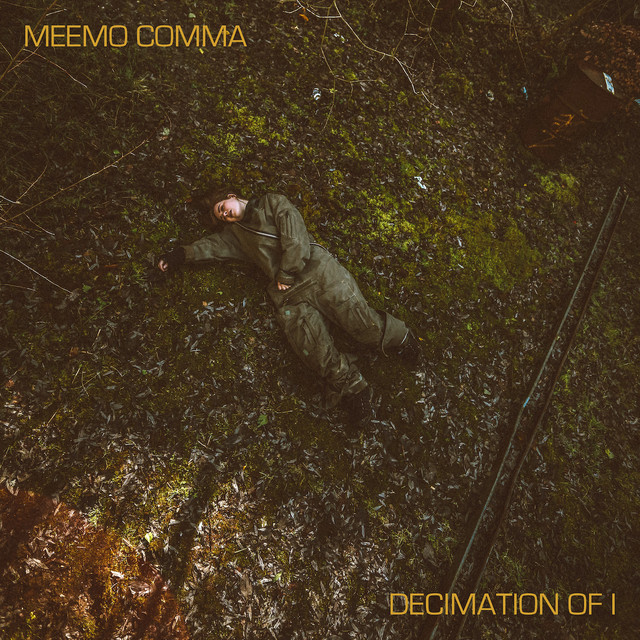
An unsettling journey through a post-apocalyptic landscape inspired by soviet sci-fi novel, Roadside Picnic and its 1979 film adaptation, The Stalker. The Decimation of I merges ambient, modern classical and field recordings to recreate the disorientating experience of witnessing an alien presence. In the novel, the aliens are only encountered through their mysterious artefacts and the devastation left behind in the environment.
In a modern context, one might see this as a meditation on climate change and the damage humans are inflicting on the natural world. But the eeriness and subtlety of Decimation of I suggest to me that the focus is not so much the outside world and rather the internal landscape of the psyche. A spooky and at times bruising listening experience.
Florian TM Zeisig – Planet Inc
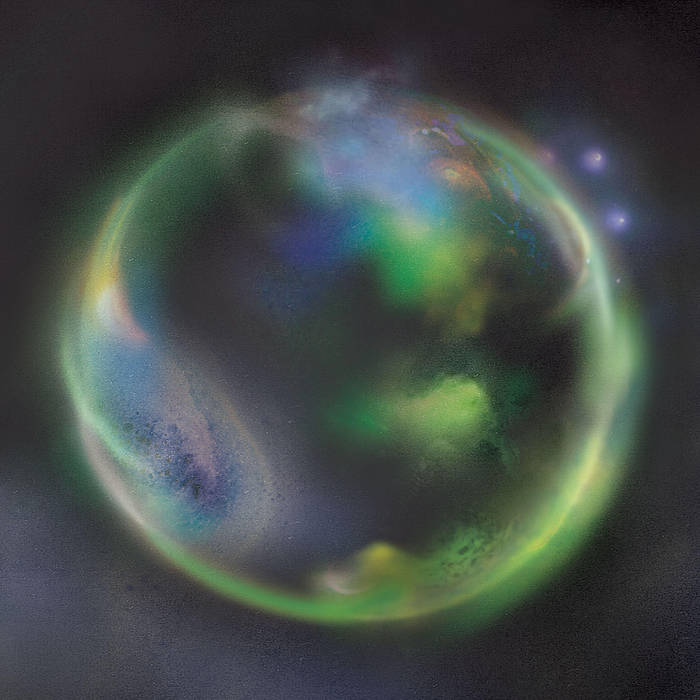
Nestling in the same softly padded ergonomic space as Skee Mask’s more ambient pieces, Zeisig takes breakbeat and dub techno and planes off all the hard edges. What remains is an enveloping cocoon of spacious pads, deep bass and a gentle sense of movement free of any rhythmic energy. A deeply soothing and meditative listening experience.
Tim Reaper & Kloke – In Full Effect

I haven’t listened to much jungle or drum’n’bass in recent times but it’s good to see things haven’t changed much. Aside from a few contemporary production flourishes, I’d be hard pushed to point to anything on In Full Effect that marks it as coming out in 2024, rather than 2014…or even ‘94.
The amen break is pressed into service once again and rolls as nicely as it always does. Over 8 tracks and 45 minutes, Reaper and Kloke run the gamut of classic jungle, from straight up rave cuts, to harder-edged ruffneck stylings to more chilled out tribal vibes. What more to say about this other than if you like jungle, try this. Oh yeah and In Full Effect is the first jungle album to come out on the Hyperdub label.
Rrose x Polygonia – Dermatology
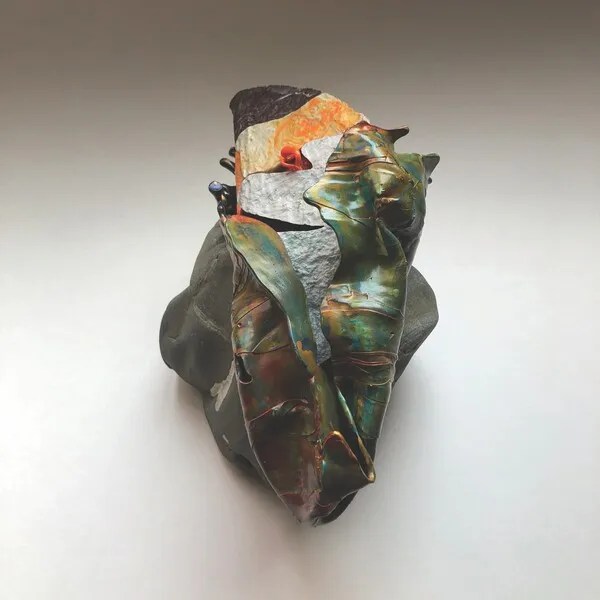
Probably the most interesting techno album I’ve heard this year and one that will prompt me to delve further into the discographies of both artists, Dermatology explores ‘skin-like surfaces and circulatory systems experienced simultaneously on a micro and macro level’. Take that however you like, but there’s an undeniably tactile feeling about this record. Buzzing drones murmur in your ear and layers of polyrhythms build up like tingling waves of pins and needles.
If all that sounds a bit ‘touchy feely’ then be assured Dermatology also contains some bangers, in particular Stretcher which is an absolute monster in the mould of Luke Slater aka Planetary Assault Systems.
Monolake – Studio
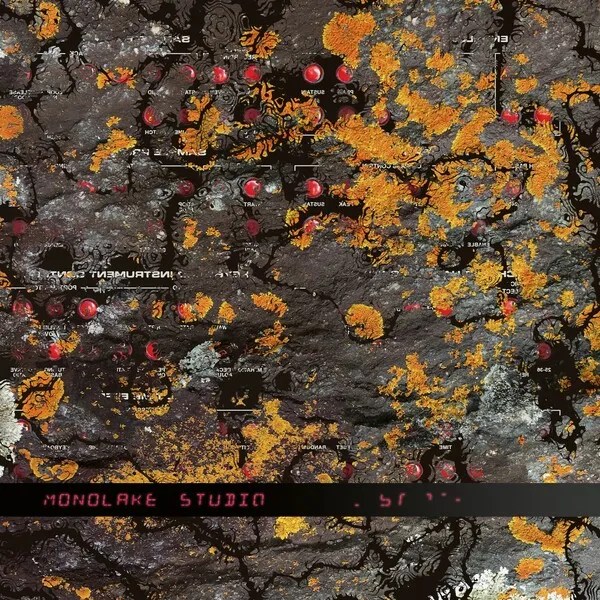
I never feel like I appreciate Robert Henke’s productions as much as seems warranted by the devotion he inspires in some techno fans. There’s no denying his status in electronic music, as one of the creators of Ableton Live; and his Monolake project has been at the vanguard of headphone techno for nearly three decades. But there’s something about his tracks that just leaves me a bit cold.
Studio is, unsurprisingly, a celebration of where the magic happens and where Henke feels most at home – the studio. As such, it finds Monolake on very familiar ground: brooding atmospherics, jittery rhythms and slippery basslines, all put together with a meticulous attention to detail and high quality production. As with most Monolake, this is definitely nocturnal music; it feels like an appropriate soundtrack for roaming through some deserted industrial complex in the dead of night. And what he lacks in ‘soul’ he makes up for moodiness.
Though it doesn’t always hit the spot for me, there’s no denying his skills as a producer. Highlights include Alphonso, which has the rare inclusion of a bright chiming melodic line; Cute Little Aliens, in which the chirping and slathering of the titular beasts sounds more scary than cute, and Global Transport, which right down to the title and Kraftwerk-esque robot voices is just peak Elektronisch Techno Musik.
The Smile – Wall of Eyes & The Smile – Cutouts
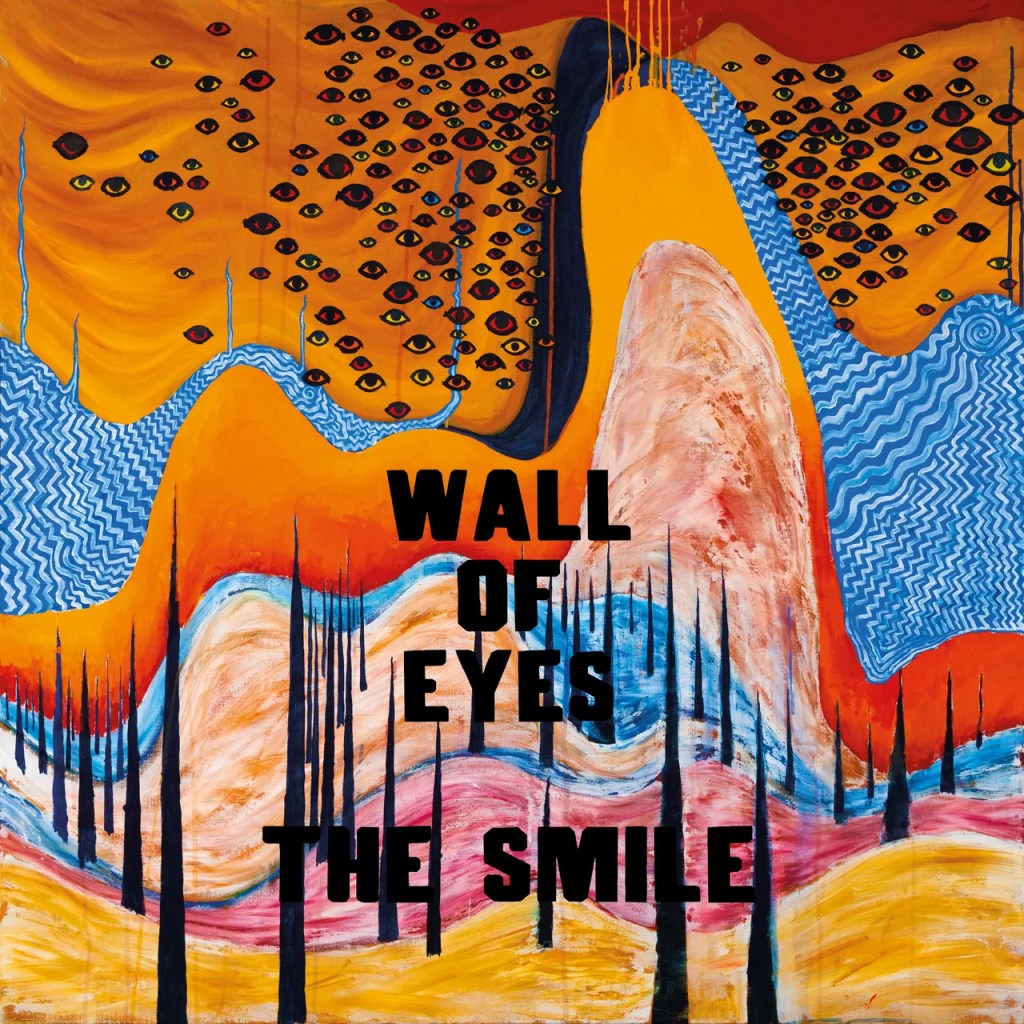
The second album from the Thom Yorke and Jonny Greenwood side project has just sounded better and better the more I’ve played it since its release at the start of the year. Marrying Yorke’s knack for rendering global themes into hauntingly personal terms and Greenwood’s discordantly beautiful guitar and string arrangements, with the liquefied jazz percussion of new guy Tom Skinner; The Smile show everyone how it’s done.
Not only that, but then they go and drop another full album. Cutouts supposedly comprises material that didn’t make ‘the cut’ for Wall of Eyes but to my mind is just as good and I’d be hard pushed to pick a favourite between them.
Comparisons to Radiohead are inevitable, and part of me feels like I’m maligning the three other band members by heaping so much praise on this new project. But this is like Radiohead redux. Radiohead without the impossible weight of expectation that accompanies the merest suggestion they might have been in the studio together, let alone releasing new material.
Tracks like Friend of a Friend or Instant Psalm – elegant, sophisticated and moving as they are – could practically be Radiohead songs, but it’s hard to see how they’d have a place on a hypothetical new Radiohead album. Those have become such momentous events, it’s as if the entire project would require a very definitive ‘vibe’ in order for the band to consider them worthy of release. Whereas this outlet allows Thom and Jonny to just get stuff out into the world.
The fact The Smile have put out two albums this year suggests they’re on a roll, which I hope they stay on as long as the ideas keep coming. And maybe just maybe, could this be the catalyst that sets things in motion for a new Radiohead album somewhere down the line?
Daisy Rickman – Howl
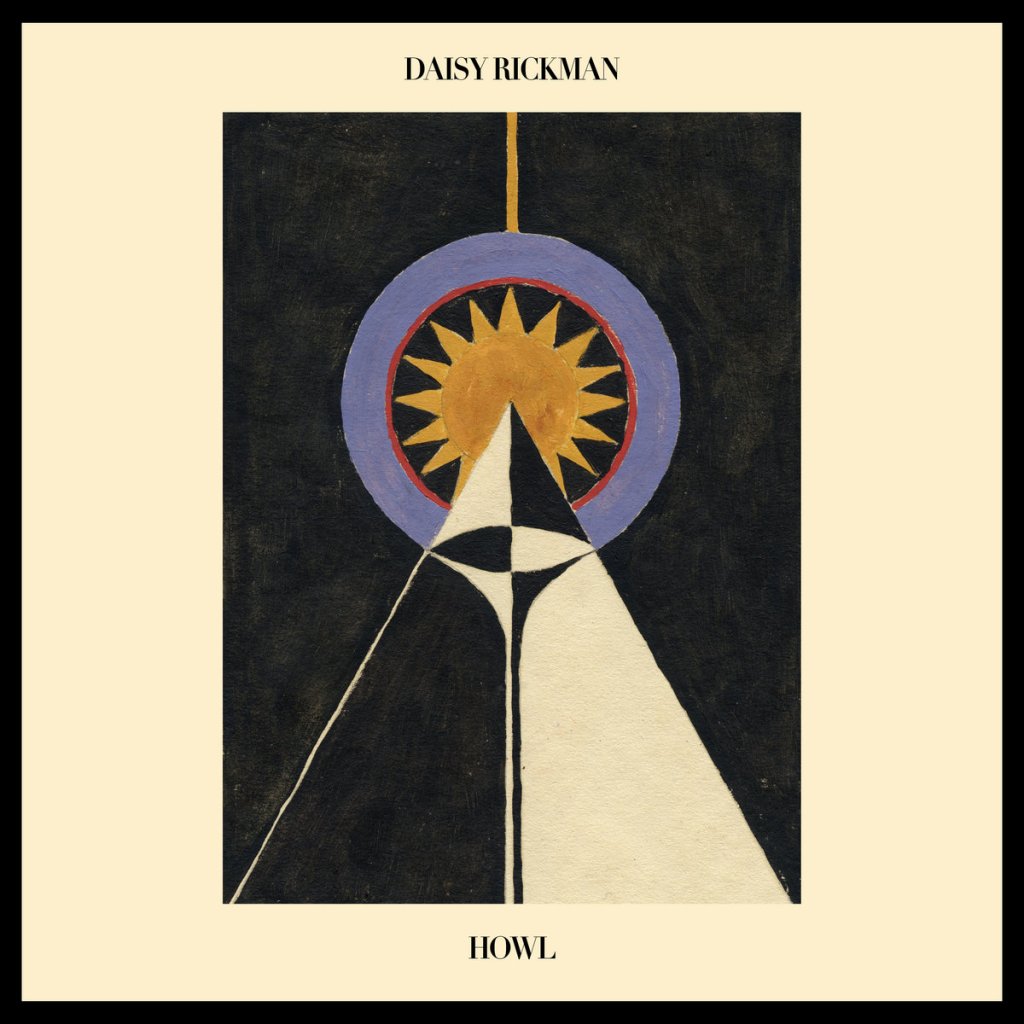
It probably helped that the first time I listened to this album was while walking through silent streets before dawn, to catch an early train; and the second time was driving down a motorway through a torrential rainstorm as the setting sun was subsumed by thunderclouds. Both were experiences that shut out the distractions of daily life and situated the experience of Howl in an elemental context. For rather than a scream of anguish, ‘howl’ is the Cornish language word for the sun, which is what sits at the heart of this album – a source of heat, light, lifegiver and deity.
Not that you need to be outside before dawn to fully enjoy Howl, for it’s a record that sets its own mood. Through macabre atmospherics, stringed instruments, and her own sonorous voice, Daisy Rickman weaves an enchanting spell that transports you to another time and place. The refrain on Falling Through the Rising Sun is repeated like an incantation, the words ‘All we have is one, falling through the rising sun’ becoming like a Zen koan whose meaning becomes manifest through meditation.
Howl sits in the deep tradition of English folk music, but the Eastern influences, in the sitars and other strings, and some of lyrics being in Cornish (a foreign yet uncannily familiar language to most English speakers) give it a distinctly mystical slant. It also feels very much of a piece with the ongoing fascination with British folklore, myth and deep history. Rickman’s voice is as beautiful and elemental as the music, and she has a surprisingly deep range; her harmonics on Bleujen an Howl – a simple ode to sunflowers – create an atmosphere somewhere between the Wickerman, All Tomorrow’s Parties and Gazelle Twin.
A beguiling, haunting and captivating piece of work.

 George's Music Blog