

As another year draws to a close and we all feel the pull of time’s withered claw at our arm, what better time to reflect on the last 12 months and taking a look back at the best albums of 2023.
Considering world events this year, it’s hard not to feel an encroaching sense of doom…or at the very least, fear of an uncertain future. But this blog isn’t the place for such ruminations. No art exists in a vacuum, but so often music presents a much needed avenue of escapism; a source of respite, solace and relief from whatever else is going on.
I don’t really believe in rating or ranking albums, so as always the order of this list is pretty arbitrary and is in no way meant to be some kind of objective appraisal. It’s simply the records I’ve enjoyed the most this year. And I’d love to hear your recommendations.
Somehow I managed to find in the region of 50 records to love in 2023, with more and more exciting releases coming out as the year went on. There were some big personal favourites for me returning with new material such as, Blur, Aphex Twin, The Chemical Brothers, DJ Shadow, Steve Mason etc. And so many of the returning cast of 2021 dropping new material, Nation of Language, Tirzah, Vanishing Twin, Loraine James, Gazelle Twin. Not to mention fresh new sounds from the cutting edge to the next big thing, such as Bar Italia, Lee Gamble, Sofia Kourtesis, etc.
So without further delay, let’s get into it, starting with….
Luke Vibert – Machine Funk

One of the most reliably consistent and prolific producers working at the funkier and fruitier edges of electronic music’s margins, Luke Vibert is back with a full length of his beloved acid music. Machine Funk is an album that gets better as it goes on and showcases Luke’s distinctive offbeat take on the classic sound of analogue acid house.
While Machine Funk is strictly purist in its sound, adhering to the vintage bleeps and bloops of acid as it was over 30 years ago, that doesn’t come at the cost of a sense of fun, with Vibert’s trademark cheekiness in evidence throughout. He can have a tendency to go heavy on the samples but they’re used sparingly here; the robotic computer voice heralding the ‘future’ on the title track comes with a heavy dose of irony given how retro that sounds in 2023. The TR-303 bass synthesizer is pulled into all sorts of weird and wacky shapes in service of Vibert’s playful melodic lines.
In fact the only place he might be running out of ideas is with his track titles. ‘Nonce Tarter’ (see what he did there?!) is a fizzing disco bopper, ‘Hitler Skelter’ is a barbers’ pole of ever-descending acid pulses and the double-time drum pattern of ‘Taming of the View’ plays nicely off the rolling bassline.
Machine Funk is probably not Luke Vibert’s most groundbreaking work, but then that would be quite a feat for someone with 30+ albums under his belt across practically every genre of electronic music. Just good old acid music from those funky machines.
Tobacco – High on Life (Soundtrack Vol#1)

The queasy sleazy-listening synth work of Tom Fec’s Tobacco alias is the perfect match for the gross-out sci-fi surrealism of Dan Roiland, best known for Rick and Morty. So a project with both their artistic fingerprints on feels like it was a long time coming.
I’m not a gamer and so haven’t played High on Life, the Roiland-designed video game, for which Tobacco has recorded a soundtrack. Rather than stereotypical ‘computer game music’ of manic chiptune melodies, High on Life is a largely ambient, synth driven affair, strongly in thrall to Boards of Canada.
Rather than follow any sort of narrative arc, the album feels more like a series of vignettes that could appear in any order. So it’s easy to get lost in the sludgy day-glo slime, like listening to infinite hold music, as equally soothing as it is dystopian.
Craven Faults – Standers

The mysterious artist known only as Craven Faults has been described as Northern England’s answer to Kraftwerk, creating kosmiche synth odysseys that chart a course through the rugged post industrial landscape of the Pennines. Standers enriches the sound debuted on 2020’s Erratics and Unconformities, adding a touch of warmth and human emotion, although the hardware is very much still in the driving seat. Essential listening for any lovers of longform analogue electro music.
Tin Man – Arles

Rather than the usual loping acid lines and pulsing kick drum, on Arles Tin Man explores the warmer side of the Roland 909, TR-303 and the rest of the little black boxes, showing he really does have a heart after all. The result is a gentle record of muted kicks and elegant stately melodies that only occasionally hint at ecstatic euphoria. Perfect soundtrack for a post club comedown (not that I’ve been able to enjoy one of those this year).
Surgeon – Crash Recoil
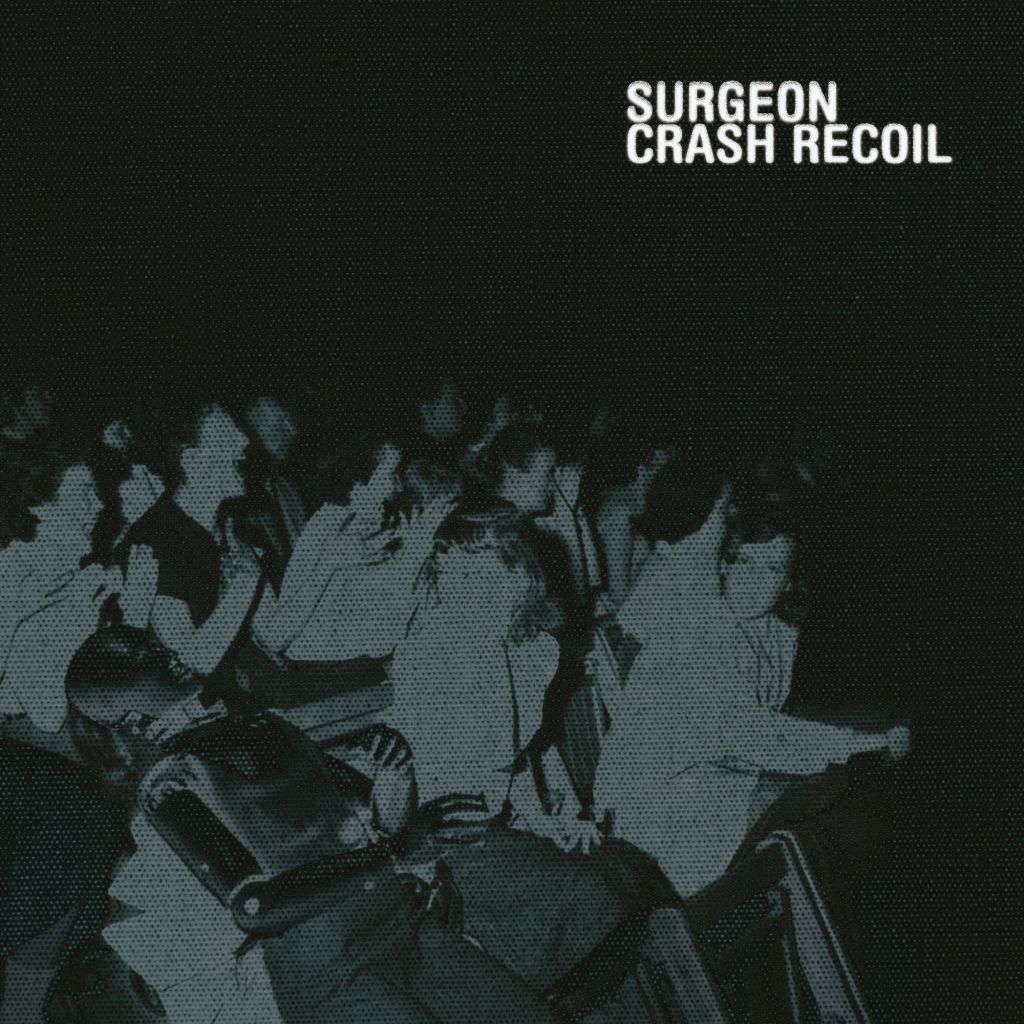
More modular-synth driven techno from the one and only Anthony Child, torchbearer for the long-standing UK Midlands techno sound. Crash Recoil perfectly balances cerebral excursions with head-thumping bangers and sits in a similar vein to Surgeon’s previous album, Luminosity Device which drew inspiration from the Tibetan Book of the Dead. Reading interviews with Child, where he recounts influences as diverse as Coil, Alice Coltrane and King Tubby, it’s clear how much of a true musical explorer he is, and still innovating, experimenting and making techno that sounds futuristic and like nothing else after 25 years.
Fennesz & Ozmotic – Senzatempo

This is a lovely collaboration between the veteran noisemaker Christian Fennesz, and the experimental duo of Ozmotic, comprising four extended soundscapes, driven by Fennesz’ trademark processed and treated guitar, overlaid with a glassy digital brittleness.
To be honest, it’s kind of opaque to me who adds what in a collaboration like this. But whatever, Senzatempo is a lovely album, sombre and reflective with serene clouds of guitar-generated noise punctuated by the occasional but sudden shift in intensity. Have had this one in heavy rotation for the endless days of working from home.
Naked Flames – It is what it is
The young Bristol-based producer’s previous releases might be best described as lo-fi trance, full of swirling technicolour arpeggios, speedy kick drums and giddy euphoria. Check out 2022’s Miracle in Transit for a particularly shining example of hyperactive but lush video game day-glo nostalgia, from someone who was barely born in the 1990s.
It Is What It Is takes the energy down a notch while sharpening the production; whereas previously the percussion was so muted as to be almost mulchy, things are crisper here with the more sedate pace letting in a bit of breathing space.
Described in the liner notes as not an official release, just a rip of a tape made for giving to close friends, “album, compilation, mixtape, unofficial, call it what u want”. Whatever you call it, the collection runs to 1 hr 40 minutes, which allows time for Naked Flames to glide from genre to genre – downtempo house (a la Swayzak), via dub techno, jazzier cuts and back to refined Kompakt-style minimal techno.
K-Lone – Swells
This was my go-to easy listening summer album this year. The second album from British producer and co-founder of Wisdom Teeth label Josiah Gladwell, is understatedly deceptive. It’s easy to put it on and within what feels like a few moments, the lilting melodies and tippy-tappy retro drum machine patterns have passed you by like a breeze on a warm day.
‘Shimmer’ does just that, with gently explorative chords and expansive pads. ‘Volcane’ builds overlapping layers of chimes into pleasantly tessellation patterns, and on ‘With U’ Rinse FM’s Eliza Rose puts aside her baddest-of-them-all persona to turn in a dreamy vocal performance.
But for all its carefree vibes, Swells is rewarding of repeated listens and there’s something comforting in the production that on the surface seems simple but has deep currents swirling beneath.
Brendon Moeller – Pathways

This short but sweet volume of chilled out dub meanderings is like scudding down a stream in a small boat. Dub techno is usually characterised by a relentless heavy kick drum, chugging away like a monstrous heartbeat. Pathways eschews that in favour of what’s left over, gauzy wisps of synth and the merest suggestion of bass, just enough to give these tracks direction as they wend their way through the currents but not enough that you ever feel pulled.
My only complaint is that Pathways doesn’t go on for longer. Dub techno is a longform genre for me, something you can put on and know you’re not gonna surface for at least an hour. Still, it’s a highly agreeable release; fans of Vladislav Delay will find much to enjoy in the syncopated rhythms and analogue crackle.
Vanishing Twin – Afternoon X

The British psychedelic group have slimmed down to a trio for their fourth album, which accordingly feels more paired back, swapping out some of the retro sumptuousness and extravagant flourishes as they travel even farther into leftfield.
Maybe Vanishing Twin were keen to finally shed any residual comparisons to Stereolab and Broadcast, and stake out a new territory as completely their own. (Albeit comparisons to such seminal acts would be the envy of most bands). While the band may have achieved that, I’m not sure I’d want to follow them much further down this rabbit hole.
Afternoon X has the same filmic 60s vibe as previous outings and is certainly a record to stick on if you fancy a weird little interlude in your afternoon. But Vanishing Twin seem to have replaced much of the sense of fun and playfulness of previous outings with a more arch and knowing avant gardism. The talents of the band are in no doubt, so it’ll be interesting to see where their travels take them next.
μ-Ziq – 1977
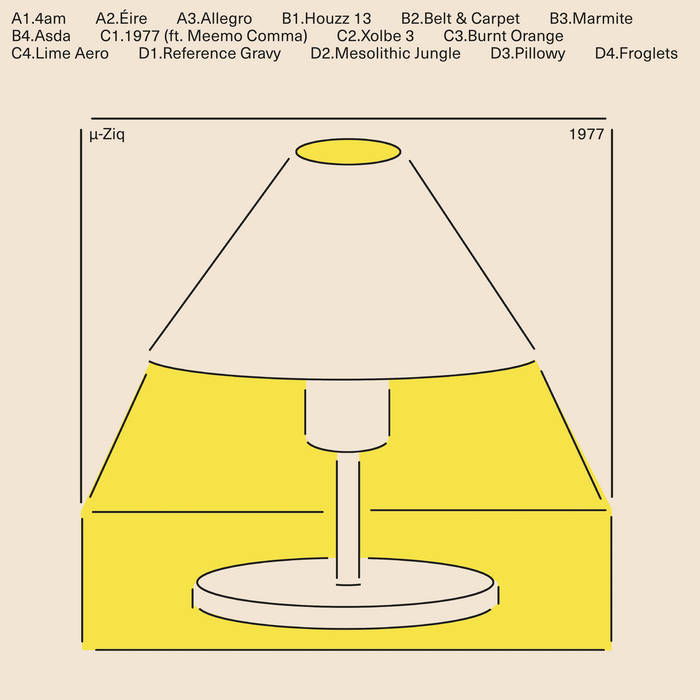
Another stalwart of electronic music releasing some career-best material,, Mike Paradinas takes a surprising left turn after last year’s canter through acidic breakbeat braindance, Magic Pony Ride. In stark contrast 1977 is a moody and sombre trip into the darker recesses of electronic music’s collective memory, where Paradinas uncovers some supremely odd soundscapes.
Upon release 1977 was roundly touted as µ-Ziq’s first ‘ambient album’ yet it’s much more than that. In fairness, comparisons with Aphex’s Selected Ambient Works Vol 2 do hold up – both records contain tonal experiments that are sinister to the point of bordering on outright alarming. The sounds of seemingly everyday objects put through some kind of hellish sonic mangler. But in classic μ-Ziq fashion, there’s a lighter side to 1977 and it’s far from all ambient, with tracks taking in old-school electro, house and fragmented jungle.
Mike Paradinas is a producer who’d never miss an opportunity to use three melodies when one will do, piling up layers of loops and arpeggios in precarious towers, and straying into overly playful territory now and then. So it’s refreshing to hear him dial all that back with some unflinchingly sparse pieces composed of tortured drones and mechanical groans. Several compositions credit his partner and fellow musician Meemo Comma, who adds wordless vocals to flesh out the mix, alternately adding qualities of warmth and eeriness. And I’m sure their voice appears on more than just the credited tracks.
So despite this project being rooted in nostalgia and his early musical influences, with 1977 Paradinas has shown that this old pony still has a few tricks up his sleeve. (Yeah I know Ponies don’t have sleeves but whatever).
Iesope Drift – VAIHTEAA
Formidable and cerebral techno from industrial stalwarts Iesope Drift, known for their weapons-grade bangers in the 90s underground.
VAIHTEAA is oriented more towards introspection and the exploration of internal space than the community and oneness of the dancefloor. Fans of Monolake will find much to enjoy here in the rumbling of precision-engineered beats and moody textures.
Steve Mason – Brothers & Sisters

A welcome return from the former Beta Band front man, whose solo discography surpasses the Beta’s in terms of consistency, if not containing the same moments of oddball genius. Brothers and Sisters is Mason’s most overtly political record since 2013’s Monkey Mind. Politics has been so bitter and fragmented since the Brexit referendum of 2016, there’s a risk any record made in that context would bear the same scars. Fortunately, despite carrying a weighty message, Brothers and Sisters feels like a joyful album; an energetic and vibrant rallying cry for unity and a challenge to the politics of division. A wide range of influences and collaborators, from Pakistani singer Javid Bashir, to a Brixton Gospel Choir contribute to Mason’s musical vision, which sounds more confident and assured than ever.
Aphex Twin – Blackbox Life Recorder 21f / In a Room7 F760

The merest hint of new Aphex material is enough to send certain corners of the internet into overdrive, something Aphex Twin and Warp have done their best to foment over the years, through inventive marketing campaigns and easter egg hunts.
This latest EP accompanied the eye-popping (and ear-popping) run of Aphex Twin live shows this summer, one of which I was fortunate enough to witness at Field Day.
Blackbox Life Recorder largely picks up where the Collapse EP left off in 2018, with dense matrices of breakbeats perfused with clouds of warm analogue synths. A pleasing mix of lulling ambient softness and tightly suppressed rhythmic energy, like pressure under a valve.
Richard D James’ stature in electronic music is beyond assured at this point, but that doesn’t mean there isn’t still a huge weight of expectation on every new release, whether he feels it or not. So is Blackbox Life Recorder another slice of genius that sets a new bar for how future producers are judged? Well no, and it would be silly to expect that.
Instead we get 14 minutes of exceedingly pleasant electronic music, with production that feels artisanal in its attention to detail. One to get lost in, on decent headphones in a quiet space. The EP is painfully short; all four tracks could easily be twice as long, and you can’t help feel Aphex is teasing us here. Surely there’s an album’s worth of this material just sitting on his hard drive waiting for release…maybe we can hope for 2024.
Bar Italia – Tracey Denim / The Twits

I guess this kind of self-consciously influence-heavy indie music used to be called ‘record collector rock’. Some of the clearest influences on Bar Italia always had the whiff to me of the kind of bands where more people own the t-shirt than have listened to an album.
Anyway, the songs on Tracey Denim have a lovely patina of dust, smudges and careworn creases that bring to mind a stack of old LPs or well-thumbed music mags. But there’s also something – whether it’s the adherence to all lowercase track titles or sub 3-minute track lengths – that feels very 2023.
The trio share vocals, with the alternately male and female voices sharpening the interplay of sexual politics between the various characters that populate this scuzzy tour through the underbelly of 90s alt rock. Everything feels shot in flickering monochrome and the tracks have a jangly loopy feel about them. As if they have no start or end and you could just press play at any point and find yourself in the midst of another seemingly familiar hooky dirge.
Bar Italia managed to cultivate a reputation for being ‘mysterious’, which seems to be simply because for a long while they refused to do any interviews. Plus there’s the mystique by association with Dean Blunt, on whose World Music label their first releases were put out. Behind this supposed mystique, there’s definitely something ‘knowing’ about the band’s stance of self-conscious hipster ennui.
There seems to be a bit of a trend for acts releasing multiple albums this year, which I’m not sure I’m on board with as there’s already too much music to keep up with, but whatever. I’ve not spent as much time with The Twits but early impressions suggest Bar Italia have beefed up their sound with chunkier riffs and catchier hooks. An approach more redolent of the 00s, than the lo-fi 90s evoked by Tracey Denim.
As with any band that builds even the faintest hype, a backlash already seems to be emerging. But aside from all the mystique, posturing, hype or backlash, it’s clear this band have got something.
Nabihah Iqbal – Dreamer
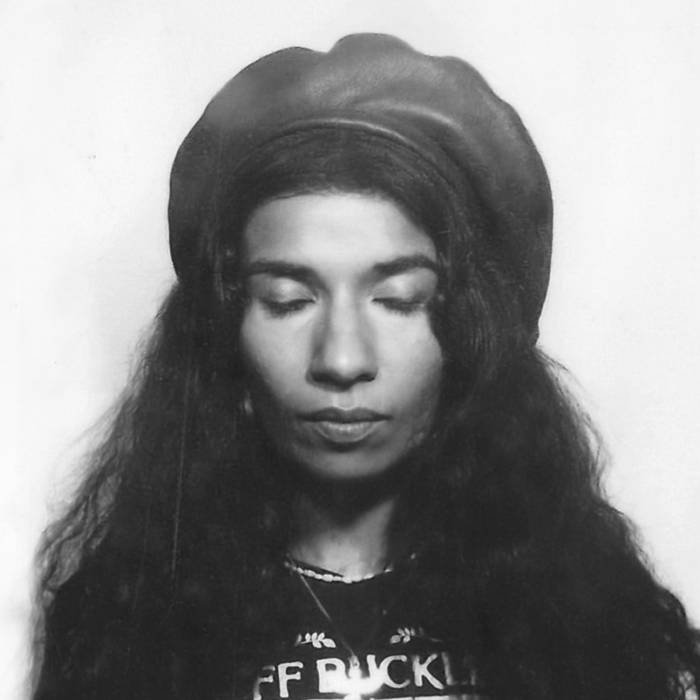
For her second album under her own name, Nabihah Iqbal fuses elements of shoegaze, dreampop, new wave and electronic styles. Spoken-word vocals seem to be everywhere at the moment but there’s something in Iqbal’s voice that’s immediately arresting. Along with the diffuse blend of genres united by a common sensibility, it lends her music a time-travelling quality, in the same way Saint Etienne managed to make London in the 90s sound like London in the 60s.
This World Couldn’t See Us tells the bittersweet story of young love over the rush of giddy synth pop. Quickly followed by the heady throb of Sunflower, which is again drenched in a youthful energy that’s already tinged with melancholy, like the inevitable serotonin comedown already bleeding into the dawn. Gentle Heart has an acidic pulse and the kind of generic lyrical refrain about dancing and dreaming and feeling that situates it almost anywhere along dance music’s continuum. All this exuberance peaks with Sky River, a frothy three minute celebration of rave.
The second half of the album is more guitar-based, suffused with dreamy shoegaze interludes but still the lingering sense of warmth. Like coming down after a rave listening to Slowdive, My Bloody Valentine or Cocteau Twins.
Being such a pick’n’mix of different styles, there’s a risk Dreamer could come off as a bit of ‘starter pack’, with entry level assortments of various genres. But whether it’s the sheer strength of songwriting, Iqbal’s distinctive voice or the production that stitches all the styles into one fabric, somehow she pulls it off. The result is a record that’s beautifully nostalgic and bang up to date at the same time.
The Brian Jonestown Massacre – The Future is Your Past
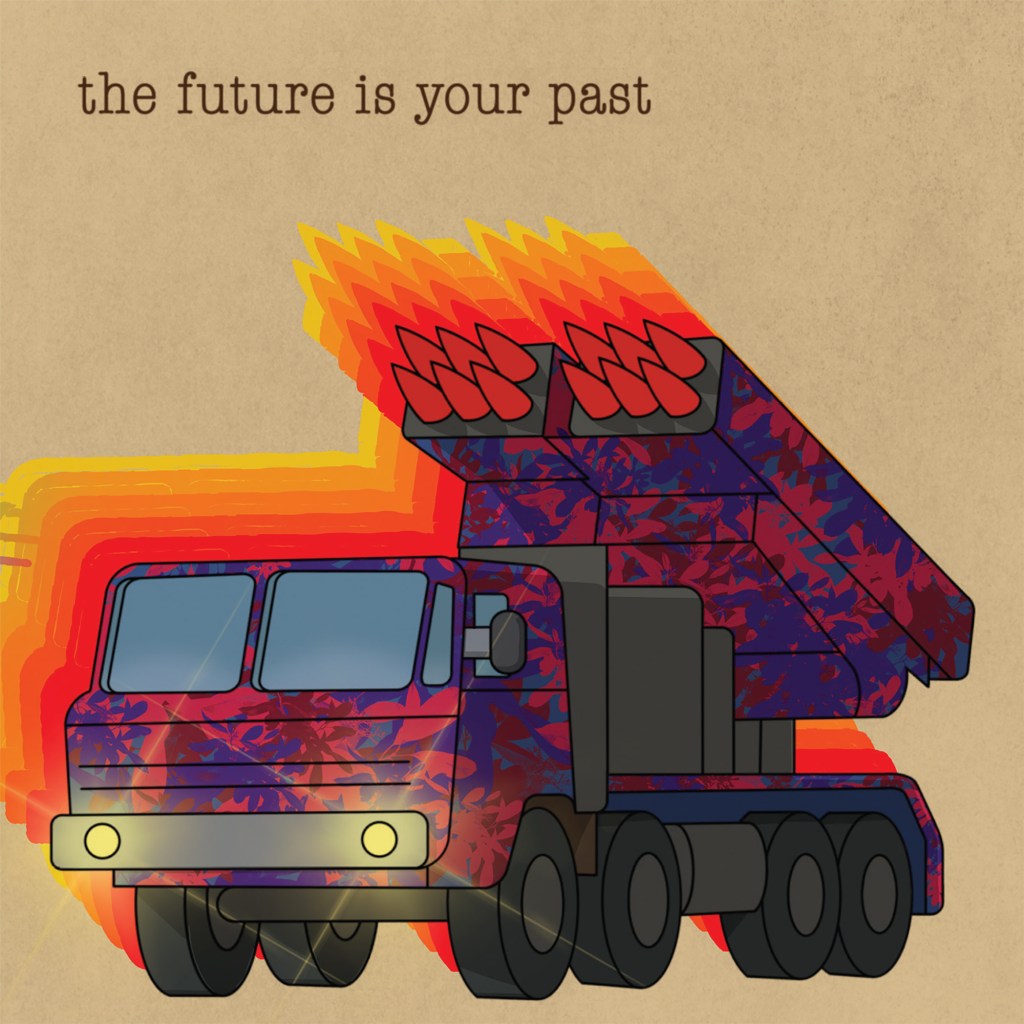
Another year, another album Brian Jonestown Massacre album. The 20th anniversary of the infamous Dig! rockumentary from 2004 is fast approaching, which charted the ascendance of The Dandy Warhols against the chaos of the Brian Jonestown Massacre, driven largely by Anton Newcombe’s struggles with drugs and alcohol. Watching the film, one wouldn’t have predicted that on this anniversary he’d be putting out his 26th album, recorded at his own Berlin studio.
Newcombe is one of rock’n’roll’s great survivors, and someone who can truly claim to have beaten the system – doing whatever the fuck he wants, on his own terms. But The Future is Your Past is far from his strongest work and finds the band on very safe territory, similar to last year’s Fire Doesn’t Grow on Trees. The lyrical content is pretty hackneyed, with Newcombe trotting out some of the knackered cliches of psychedelic music and ploughing well-trodden furrows of score-settling and vague “I told you so’s”.
Sonically, The Future is Your Past is excellent and no one can fault The Brian Jonestown Massacre’s commitment to the aesthetic, or their proficiency in creating the sound. The organ on Nothing Can Stop the Sound gives it a bit of a Doors-y feel (though it ain’t as good as anything by The Doors) and The Mother of all Fuckers builds to a decently rousing climax. But the bulk of the record comprises lumbering bluesy psyche rock that doesn’t really get out of its own groove.
Maybe the future just is our past and we’re all doomed to repeat the same over and over again, but for an artist as creative as Anton Newcombe, and a band as talented, it’d be cool to hear them explore new ground again
Kristin Hersh – Clear Pond Road
Kristin Hersh is so continually prolific, with a 50 Foot Wave album last year and a Throwing Muses album in 2020, it’s feels surprising that this is her first solo album since 2018.
Moving away from the heavier, choppier sound of recent projects, Clear Pond Road is a return to the stripped-down guitar and vocals approach. And the addition of a cello on some tracks adds a certain twinklyness to proceedings, not a quality normally associated with Hersh’s oblique and, at times, acerbic songwriting.
This record hasn’t made as much of an impression on me as her last few, but her genius – for creating a lyrical world with its own paradoxical internal logic – is undeniable. Like all Kristin Hersh releases, I know Clear Pond Road will be here for when the time is right.
VHS Head – Phocus

Proving there’s still mileage in the ‘soundtrack to an imaginary film’ genre, Phocus is the score to a sci-fi horror B-movie set on Northwest England’s Fylde Coast. Home of that icon of glamour faded into sleaze, Blackpool.
Old VHS tapes provide the source material for this dense sample collage; I’m not sure if the album is composed purely of spliced tape, if so then it’s an impressive achievement. Aesthetically one could compare it to the visceral eeriness of David Cronenberg (particularly Videodrome) and musically there’s a strong 80s vibe, think Com Truise, or Boards of Canada if they decided to go full Goth.
Phocus can be a challenging listen at times, the dense seething mass of samples is like a nightmarish creature from a video nasty. And given the tape-splicing nature of its production, the vibe is constantly changing, reel after reel of lurid mutating soundscapes. Not that there aren’t some electroloid bangers to be found.
Think Fear and Loathing in Las Vegas, but set in Blackpool during the 1980s, and instead of a soundtrack of Jefferson Airplane on LSD you’re hyped up on cheap speed and synth-pop.
Actress – LXXXVIII

I don’t think there’s ever been an Actress album I’ve enjoyed on first listen, or even on the fifth listen come to that. But something about his music keeps me coming back.
LXXXVIII is no exception and only now after repeated plays, when I can let the music wash over me rather than actively listening is it coming into its own. Those already enamoured with Darren Cunningham’s oblique and subversive approach should find much to enjoy here. The components of house, techno and garage are dismantled in various ways, exposing the wiring inside, and all too frequently Actress lays any pretence of ‘club sounds’ aside and heads into a smoke filled labyrinth of his own creation, with just the occasional tinkle of piano, misfiring synthesiser and static for company. Track titles ‘Hit that Spdiff’ and ‘Green Blue Amnesia Magic Haze’ offer some less than oblique hints on what might be guiding these more noodley explorations.
The contrast of black and white has always played a big role in Actress’ music; his previous album Karma and Desire was a meditation of sorts on the twin forces of dark and light. Numerology features here too; the album’s title represents 88 in roman numerals, a number which holds some significance for Actress (and is the name of a mix he dropped in 2020).
8 x 8 also suggests a chessboard, which features in the artwork and track titles. When Push Power (a1) was trailed ahead of the album, I hoped the chess motif might feature more prominently, especially as he dropped his chess.com username on Instagram. Sadly the chess move notations that suffix each of the track titles are just random pawn moves, rather than some kind of meaningful play, which would’ve been cool. Anyway, he accepted my chess.com friend request so if Actress ever fancies a game he knows where I am.
Overall I can’t say LXXXVIII is my favourite Actress album and there’s still the nagging feeling I’m missing something. But maybe I’m falling into a trap, like an unsuspecting chess piece who’s mere moves away from being checkmated.
Gacha Bakradze – Pancakes
The versatile but under-rated Georgian producer returns with another album, and an EP, titled Forget, following up on 2021’s Obscure Languages. Pancakes and the companion Forget EP serve up a stack of more the same lithe and energetic electronica, with a strong ear for melody and space.
Obscure Languages was a celebration of electronic music’s early 90s golden age, with non-conformist beats and melodic lines that were never too far from floating away into ambient space. Pancakes feels somewhat more grounded, with a heavier emphasis on beat construction but the creativity and experimentation is very much still there. As is Gacha Bakradze’s knack for creating a palpable sense of space; if sound design is a thing then let’s call this ‘sound architecture.
Fans of Jon Hopkins’ way with integrating classical melodies and crunchy beats should find much to enjoy here, as will anyone with a penchant for Warp’s seminal Artificial Intelligence series, The Black Dog, B12, early Aphex Twin etc.
Ceephax Acid Crew – Baddow Moods

One of many OG’s of electronic music putting out some career-best material, Baddow Moods actually dropped right at the end of 2022, but I missed it at the time and have played it so much this year I thought it deserved some recognition.
Having come a long way from the kitsch 8-bit aesthetic of his early releases, in Baddow Moods Ceephax has crafted a deep-house epic, which despite its scope and emotional depth is instantly accessible and just a joy to listen to.
Several of the tracks span well over 7 minutes but at no point does the album drag. Andy takes us on journey after journey, flexing his melodic chops and showing supreme confidence in his racks of analogue gear, as he piles up layers of deliciously warm synths and old school drum patterns.
In the first few moments a shopping centre tannoy voice welcomes us to Baddow Moods, instantly setting the retro vibe of late 80s/early 90s and grey days spent in brightly lit shopping arcades. Ventlaris Part II feels like a night spent raving to acid house, all smoke machines, lasers and easygoing euphoria condensed to 10 minute mini-epic. Telephax samples a fax-machine dial tone and uses it as a metronome, counting us into another funky deep-house epic. And the introspective Roddy is surely a tribute to Larry Heard (aka Mr Fingers) and the greats of house music, comprising gentle organ tones, chime bells and an absolute tear-jerker of a synth line. An acid power ballad if ever there was one. Excellent stuff.
Doc Sleep – Birds (in my mind anyway)

Doc Sleep was a new discovery for me this year, via her dreamy mix for Crack Magazine, which wove together everything from Junior Boys, to Low to Laurie Anderson.
Her debut full length is more focused but no less oneiric. Fragments of techno and dub bob around on thick currents that ebb and flow in their intensity. Melodic fragments are gradually filtered over crunchy beats, before coming to gentle resolution that feels more emotionally impactful with every listen.
Birds (in my mind anyway) could be a post-rave chillout album, or you could just call it post-rave music, full stop. A scenic and stimulating journey into the fringes of club music that reveals new corners every time I take it.
The Chemical Brothers – For that Beautiful Feeling
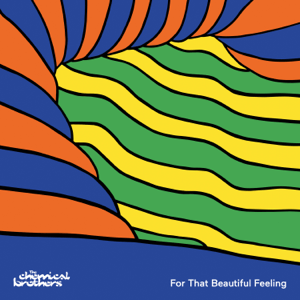
I don’t know if you’ve read the Big Beat Manifesto recently, but Tom Rowland and Ed Simons have. For That Beautiful Feeling feels like a return to the brothers’ 90s glory days and stays true to the credo of “big beats are the best, get high all time”, as well as showcasing what the duo do best. Which is combining big ticket vocal collabs and raucous samples into a party mix that manages to be as luridly psychedelic as it is accessible.
One might wonder whether at this point in their career the Chems have anything meaningful to ‘say’. Is a Chemical Brothers album in 2023 anything more than simply an exhortation to party? Presumably ‘that beautiful feeling’ is a somewhat trite reference to being loved up at a rave. Tom and Ed are surely a bit old to be still in thrall to that, but then we could all do with a bit more love in the world. And if it ever felt like we needed reminding of the healing and unifying spirit of rave culture then surely now is the time.
But looking a bit deeper, is there something darker beneath the bright primary colours? No Reason is a banger right out the tracks, with an infectious bassline and deliriously funky breakdown which tears things up in classic Chemical Brothers style, before they rinse it out all over again with the bassline drenched in fizzing acid. But could the lyrics “We’ve got no reason to live, no reason at all” could be taken as nihilistic surrender to the sense of doom overshadowing the world today? Or maybe they’re just saying there’s no deeper purpose to life so you might as well have a good time in whatever way you can.
Littered across the album are little nods to The Chems’ seminal tracks. The vocal sample on Magic Wand sounds very similar to the one on Chemical Beats; that little guitar lick on The Weight could almost be lifted from the same source material that provided the iconic riff for Block Rockin’ Beats, and the outro has the same structure as the massive drawn-out tail of Elektrobank.
By using their collaborators as musical stepping stones, the Bros deftly hop between genres. From the chunky big beat of Live Again to psychedelic pop featuring Beck, to the ear-splitting acid climax to Feels Like I am Dreaming, in which a sample of Wolf Alice’s Ellie Rowsell is pushed to the point of grating and beyond. But then it wouldn’t be a Chemical Brothers record if someone somewhere wasn’t shouting for you to ‘turn it the fuck down!’ A beautiful feeling indeed, or as that insistent vocal screams, maybe it all was just a dream.
Nathan Micay – To the God Named Dream
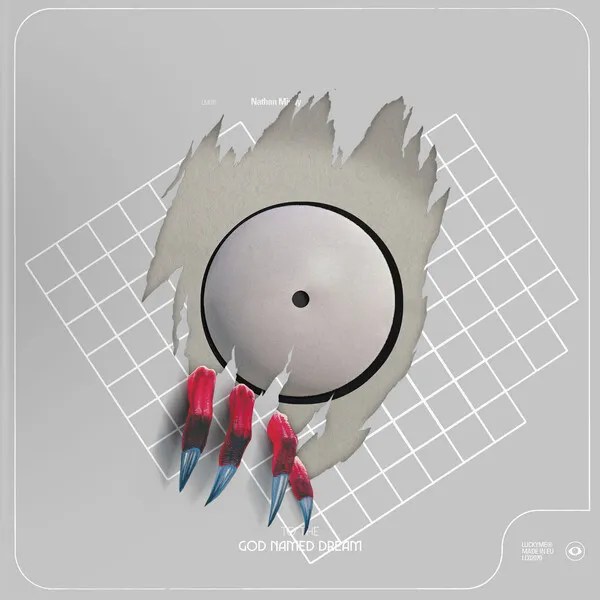
The third album from the TV and film composer who scored the BBC/HBO series Industry is a bombastic celebration of the upside of electronic music, in all its day-glo neon glory.
To the God Named Dream bears all the hallmarks of electronic music – sampled and chopped breakbeats, euphoric builds and breakdowns – but clearly put together by someone with a classical musical background. There’s a formality and grandiosity to the arrangements which could be pretentious but thanks to Micay having one foot in club land it works perfectly.
There’s no visual accompaniment to To the God Named Dream, but it still feels like a soundtrack. Micay floods his compositions with emotional colour and spins stories with dizzying narrative arcs. The effect is the opposite of subtle and gives everything an eye-popping sheen, reminiscent of the bright Nickelodeon aesthetic that seems to be filtering into various genres at the moment.
It’s Recess Everywhere is the perfect encapsulation of the happy-go-lucky side of the album; a big bright electro synth melody plays off diva vocal chops over a perky breakbeat, replete with ‘old skool’ hip-hop scratches. It’s so unironically retro and optimistic, you can almost hear a spray can being shaken and the graffiti-style title credits of some 90s kids TV show appearing on screen.
Micay brings in a bit of jeopardy on tracks like Fangs; the breakbeat is heavier and vocal samples and synths are blended and pitch-bent so the two become indistinguishable, until the key changes midway through and even though the mood gets darker m you know it’s gonna turn out OK in the end.
But it’s the title track that’s the real peak of the album and embodies the ethic of the whole project, taking the wide-eyed optimism and pulsing rhythm of rave and recasting it on an unabashedly maximal symphonic scale.
To the God Named Dream is beautiful, big-picture dance music that shoots for the stars, and thanks to Micay’s skills as a composer and arranger there’s more than enough going on here to enjoy this solo on headphones as in a crowd full of people.
Scotch Rolex & Shackleton – Death by Tickling

Well this is a collaboration I certainly never saw coming. Sam Shackleton made his name as a dubstep producer, albeit one trading in the genre’s potential for the exploration of cavernous subterranean space and off-kilter rhythms, rather than amped-up drops and filthy bass. He long since went off the deep-end completely like his namesake, setting off for the polar extremes of experimental music.
Scotch Rolex is better known for deep-frying ravers’ brains as DJ Scotch Egg, purveyor of hardcore digital noise, often employing the use (and abuse) of multiple Gameboys to create sonic mayhem.
So the two make an unlikely pairing, but if Death by Tickling is anything to go by, they seem to bring out one another’s strengths. Shackleton clearly feels like the dominant voice here, in the scuttling unpredictable rhythms and slippery elastic bass. And given my only exposure to Scotch’s music is his horrendously overdriven KFC-core, it’s hard to parse his influence as this sounds nothing like that. Maybe his role was to rein in Shackleton’s experimental tendencies and not stray too far from the core vibe of this project.
Which if I had to sum it up in one word it would be…dank. Every surface feels alive with a wriggly, slimy energy, and the queasy rhythms don’t invite dancing so much as writhing. There’s also a healthy dose of sick humour, which feels more Scotch than Shack. Not an album I expected to be listening to this year but a good one to put on if you wanna get creeped out.
The Black Dog – The Grey Album

For this project, the trio of Ken Downie, and Martin and Richard Dust decided to go back to their musical roots by setting themselves the challenge of composing and recording using on a few pieces of analogue equipment. The result is a record influenced by the industrial history of their native Sheffield, and embodying the DIY spirit of the city’s musical pioneers (Cabaret Voltaire, The Human League etc).The Grey Album is looser and more relaxed than their usual ‘brutalist ambient’ fare, but stays true to the Black Dog ethos of Northern Electronic Soul.
Meemo Comma – Loverboy
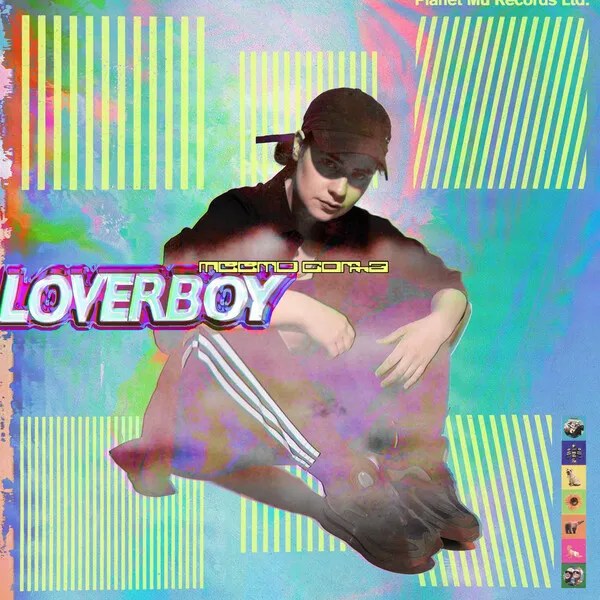
Usually known for more experimental and ambient works, for this release the artist known as Meemo Comma turns their hand to deconstructing jungle and breakbeat.
Some cuts on Loverboy are outright bangers, with the title track featuring some hilariously coarse Guy Ritchie-style gangsta film samples over acid riffs and spliced breaks. Elsewhere, the experimental side comes to the foreground, and the breakbeats find themselves curiously marooned like standing stones amid pastoral earthy soundscapes. The perfect soundtrack for an early morning rave at Stonehenge. The neon tracksuits’n’trance cover art is absolutely on point too.
Nation of Language – Strange Disciple

Another of the returning cast of 2021, the Brooklyn synth-pop trio are back with their third album in almost as many years.
Their pitch-perfect debut, Introduction, Presence and the more guitar-infused follow-up, A Way Forward, hewed so closely to the mores of 80s synth-pop, I wondered if they would evolve their sound or find even more mileage in this very stylised aesthetic. A few seconds into the plaintive synth keys of opening track Weak in your Love, it’s clear Nation of Language are staying very much in their lane.
But ironically, as much as Strange Disciple is a clear product of such recognisable influences, the more comfortable and assured than ever the band sound. Making this unmistakably a Nation of Language album, rather than some synth-pop tribute. Ian Devaney has a knack for penning killer hooks, and the band know just how to craft those moments of anticipation and release where you can feel the chorus is about to burst forth, prompting the crowd to tilt their heads back, raise their arms and begin belting it out. Great to see these guys go from strength to strength, and making this sound truly their own.
Forest Swords – Bolted

I’d been looking forward to the return of Wirral-based producer Matthew Barnes for some time. In just two albums, Forest Swords honed a stark and distinctive and original sound at electronic music’s outer margins.
You could call it Mediaeval Electronica if you really wanted to; with his sparse and spooky aesthetic Barnes is part of the recent-ish Hauntology trend that draws inspiration from the murky depths of history, myth and legend.
Examples of track titles on Bolted include Munitions, Rubble, Chain link and Line Gone Cold, maybe suggesting Barnes is on the warpath, or the various global conflicts dominating the news have filtered through to his music. Forest Swords has always balanced tension with moody atmospherics, but on Bolted it feels like angst is the dominating factor. This could be because the album was born of pain, specifically a leg injury Barnes sustained which in his words left him in ‘psychedelic amounts of pain’.
The injurious imprint of pain was surely left on whatever equipment Barnes used to create the sounds on Bolted. Oil barrels and industrial off cuts are seemingly mangled and smashed to oblivion in pursuit of the tortured sounds of metal on metal, which form the basis of the percussive elements. And like archaeological remains or weathered relics, the whole production feels tarnished and corroded.
All this might make Bolted sound unappealing but that’s not the case. As on previous albums, Barnes takes the barest forms of genres like dubstep and 2-step garage as his template. Vocal samples are eerily disembodied and subsumed into this black and white world; and I was surprised to discover Butterfly features Neneh Cherry, not that I’d have recognised her in a million years.
It took a little while for Bolted to grow on me, as my first impression was so murky and angst-ridden it was hard to make out the actual tunes. But like historical artefacts being unearthed, they’ve gradually revealed the stark beauty of their true characters, making this a welcome addition to a fascinating discography.
As One – As One2

A selection of pristine melodic cuts from UK techno don Kirk Degiorgio, who first came to prominence in the early 90s alongside the cadre who featured on Warp Records’ legendary Artificial Intelligence compilations. Degiorgio’s label released a similarly minded compilation around the same time entitled The Sound and Philosophy of the Machine; the name of which gives a clue into the thoughtful and cerebral approach on techno.
Thirty years on, Degiorgio is largely sticking to the formula of what made those early tracks so timeless. Expansive melodies, detailed arrangements and a rhythmic sensibility with roots in jazz.
There’s not much more to say about this record other than, it’s supremely high quality. This is techno as it should be, forward thinking, soulful, cerebral…lush.
Tirzah – Trip9love…???

Another of the returning cast of 2021, Tirzah – the musical collaboration of vocalist Tirzah Mastin and producer Mica Levi – are back with the most excellent, Trip9love…???
Conceived as one continuous track, the album plays out over 11 parts across 38 minutes and the same rackety drum machine beat is used on practically every track, bar a few ambient interludes. The accompanying instrumentation is ultra lo-fi, like a Yamaha piano that’s been dropped to the bottom of a chimney stack. The king of gritty distortion, Andy Stott, gave Trip9love…??? a shout-out on his Instagram and it seems plausible that he might’ve been an influence on this record. Every creative decision seems to have been taken in service of economy; stripped-back production and sparse verses that feel like fragments of scribbled notes, which all just amplifies the elementary emotional power of each track.
As always Tirzah’s voice is the star of the show, disarming in its richness and mixed in a way that she always seems to be singing right beside your ear. And the thick honey-sweetness of her voice adds a depth and warmth to what would otherwise be a cold and sparse sound world. Her lyrical style reminds me of Tricky in some respects; hard to pin down with phrases and lines folding over and running into one another, as she switches between crooning and half-talking, half-singing.
Tirzah’s last album roamed across various styles, ambient, synth-pop, r’n’b, bedroom pop, all tied together with the same DIY experimental aesthetic. In comparison, Trip9love…??? is a much more focused record, and allows Tirzah Mastin to go deeper into her groove and explore this chosen style more deeply. A uniquely creative talent operating to the leftfield of pop music, it’ll be interesting to see where she goes next.
Sparklehorse – Bird Machine

There have been many long-awaited comebacks from some of my favourite artists this year, but most surprising of all is a new release from Sparklehorse, given Mark Linkous took his own life in 2010. Posthumous albums can sometimes just be a means of cashing in on an artist’s legacy, or as a way of ‘setting the record straight’ with reimagined material. Happily, neither is the case here and Bird Machine is a collection of lovingly restored material that sits with Sparklehorse’s best work.
The album includes material Linkous recorded with legendary producer Steve Albini in the late 2010s, and was discovered some years ago by his brother Matt. Along with his bandmate Melissa Moore and guest appearances from Grandaddy’s Jason Lytle, the younger Linkous has retouched these old tracks in keeping with the lo-fi collage-like approach of the original Sparklehorse albums.
The result is an absolute gem of a record, which to me is an instant classic. By all accounts, Mark Linkous was someone who laboured over his creations to give his productions a beautifully distressed feel. So ironically, free of his input Bird Machine feels like an easy-going Sparklehorse album; there’s a lightness about the songs as if they just poured out, fully formed.
Not to say there isn’t the occasional interruption of noisy distortion, such as I Fucked it Up, which bursts through the album’s midpoint with a barrage of overdriven guitars and drums, wryly documenting Linkous’ failure to make it big as a rockstar.
Elsewhere you can’t move for belter after belter of supremely lovely tunes. Evening Star Super Charger is a gorgeous soaring lullaby, on Everybody’s Gone to Sleep you can hear Linkous’ lilting voice freighted with emotion, still echoing through the years, and Chaos of the Universe has a bluesy swagger that soon gives way to another expansive chorus – the kind of which, if Linkous had in fact made it as a rockstar would have a crowd waving all their lighters aloft.
Linkous reportedly said of the material on Bird Machine, “The songs are not quite as clever and I’m not laboring forever over every lyric”, having been urged by Steve Albini to relieve his creative block by going back to basics. It’s testament to the humble poet the world lost so tragically 14 years ago that he considered the following ‘not quite as clever’:
Solo in crept to infect
As they wept and slept, then ingest
Things that men prefer to forget
Then peer into a glass of reflect
Am I seen to all my dead kin?
When death floats near, are they the ones
Who shout in my ear?
Oneohtrix Point Never – Again
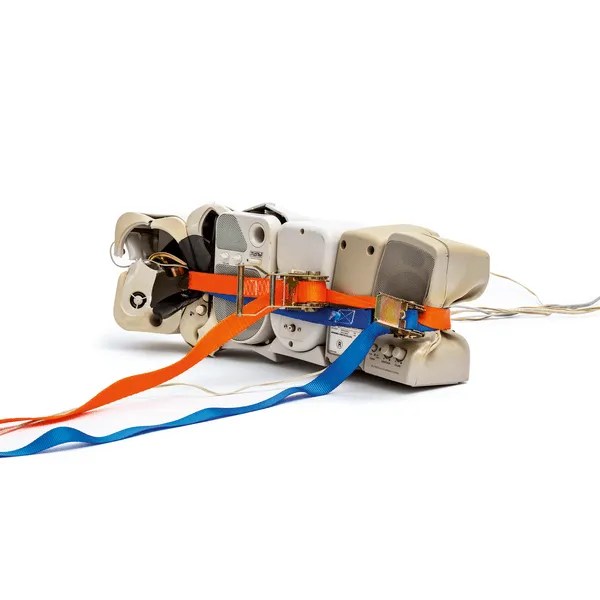
I hesitated over including Daniel Lopatin’s latest album as Oneohtrix Point Never on this list, because despite his occasional flashes of wizardry, I find him a frustrating artist to listen to and I’m still not sure how much I like Again.
Firstly on the plus side, there’s no denying the huge impact and influence Lopatin has had, and which saw him rise from leftfield electronic producer to directing The Weeknd’s Super Bowl show. He didn’t single-handedly create the turn-of-the-millennium recent-retro aesthetic that’s so recognisably Oneohtrix Point Never, but he’s sure made it his own and done the most with it. Taking the synthetic and guilelessly optimistic sound palette of Windows 97, and transforming it into micro-symphonies, playing with our love of nostalgia and sense that the internet has transformed all culture from the last 60 years into a sort of permanent present.
The conceit behind Again is that it’s a collaboration between Oneohtrix Point Never and his younger self. This doesn’t add much to the experience for me, but I’m not well-versed enough in his discography to maybe appreciate the musical references.
There are some standout tracks here. Krumville is a banger, if you can call a track that sounds like a 70s soft rock ballad created by an AI that’s never heard music before, a banger. But too often with Oneohtrix Point Never, I get the nagging feeling I’m not getting what others do. Again has no sense of flow for me, and though there are peak moments much of it feels like being in the midst of chaos where individual tracks are indistinguishable from one another. Maybe that’s what he’s going for, or maybe it’s the record’s way of telling me this isn’t background music, and I need to dedicate my full attention to it. Either way, Again is another intriguing chapter from a confounding artist and one I’ll need to revisit.
Yo la Tengo – This Stupid World
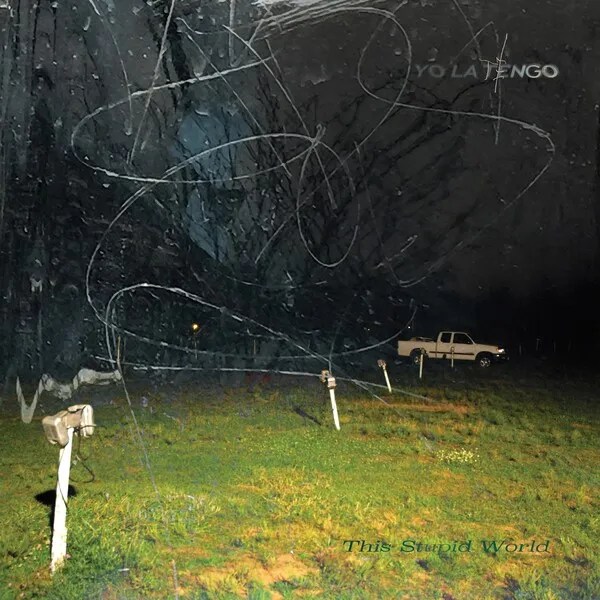
‘Prepare to die, prepare yourself while there’s still time’ croons Ira Kaplan on Until it Happens to You. A lyric which would sound threatening in most mouths, but in Kaplan’s understated matter of fact delivery it just comes across as sensible advice. Like flossing or eating your greens.
Although they have their noisy moments, it’s hard to imagine a band as gentle mannered as Yo la Tengo being angry but on This Stupid World, it sounds like they’re mad. Their previous album, There’s a Riot Going On, was named after Sly and the Family Stone’s 1971 classic which was fiercely relevant again given the turbulent state of US politics in 2018.
Despite the reference to rioting, that record was one of Yo la Tengo’s most ambient and experimental outings, as if they were offering an escape to all the clamour and chaos of America mid-Trump. This Stupid World finds the band confronting the situation more head on, and though the lyrical stance may be more confrontational, they still approach it in typical Yo la Tengo fashion. Which is to say with a grace and wisdom won through a 40 year career as elder statesmen of the indie underground, and their typical prowess at manipulating the forces of loud and quiet to create moments of crushing beauty and intimate tenderness.
From what I can tell, Yo la Tengo have never put out a dud album, which is ridiculously impressive given the extent of their discography. This Stupid World doesn’t break that run but for whatever reason it hasn’t massively clicked with me this year. But the world doesn’t look like it’ll be getting less stupid any time soon so when I come to revisit it, this album is likely to still be as relevant as ever.
Loraine James – Gentle Confrontation

With her third album in pretty much as many years, not to mention various side projects, Loraine James might be on her way to becoming a low-key IDM popstar. James’ niche lies in the synthesis of stuttering beats, fragmented melodies redolent of early 00s glitch, and vocal collabs from various underground MCs, as well as her own more muted but often deeply personal lyrics.
All of James’ albums tend towards introspection. For You and I drew inspiration from her home town of Enfield and the follow-up, Reflection, was a reaction to the pandemic and the sometimes painful light it shone on inner turmoil. Gentle Confrontation sees James facing up to some personal traumas (in a gentle way), chiefly the death of her father 20 years ago. The track 2003 is a stark and vulnerable expression of the emotions associated with this event, but true to the album’s title it doesn’t feel like heavy-going to listen to.
James has described this album as the record her younger self would have wanted to make, complete with relevant musical touchpoints. Hence the references to the early noughties IDM sound (acts like Lusine, Telefon Tel Aviv etc). This is kind of similar to the conceit behind the Oneohtrix Point Never album being a collab with his younger self, but it makes more sense here given some of the tracks explicitly reference James’ life experiences and create a direct line to her younger self.
Loraine James stands out in the scene, not just because of her identity but because she takes a style of music usually associated with faceless bedroom producers (99% of whom are white dudes), and brings all the emotion Loraine James stands out in the scene, not just because of her identity but because she takes a style of music usually associated with faceless bedroom producers (99% of whom are white dudes), and brings all the emotion, which normally lies codified in complex time signatures and digitally processed synths.
My one complaint with this record is the lack of flow, and there’s no denying James’ approach can be jarring, but then what’s the point of calling your album Gentle Confrontation if it doesn’t rub up against your ears.
Otik – Cosmosis
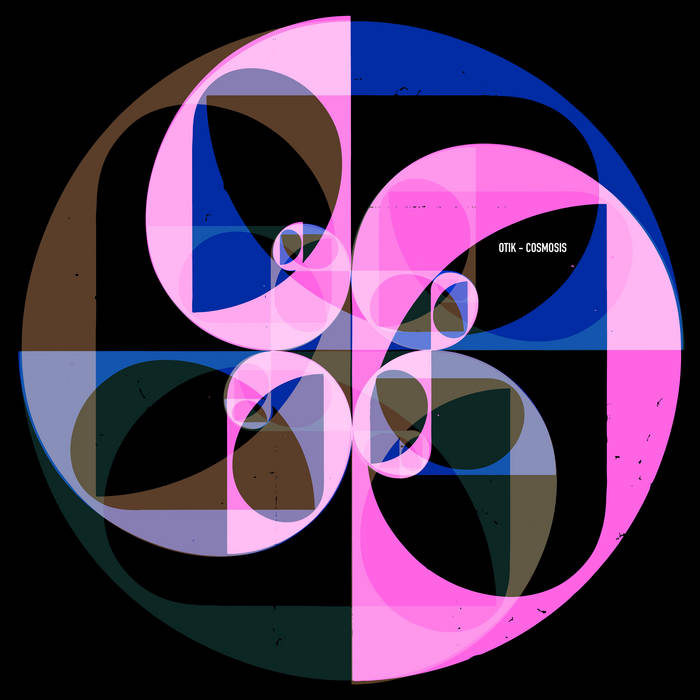
An absolutely stellar debut album from a producer and DJ surely set to be one of the UK’s leading lights in forward-thinking dance music (if he isn’t already).
Cosmosis is clearly the product of a skilled producer, but also a DJ who knows how to move a dancefloor. Ashley Thomas showcases his fluentness in a range of genres, deftly blending styles while retaining a muscular forward motion. Techno, breakbeat, jungle, house and garage all get a look in; and there’s a palpable hint of psychedelic coming through on the harmonic treatment on some of the tracks plus the extended samples that bookend the album.
Tagging genre labels start to get a bit pointless though, ‘cos at the end of the day it’s just fucking good tunage.
Fans of Daniel Avery and Bicep will find much to enjoy in the expansive production, robust beatwork and keen ear for dance music’s golden age.
James Holden – Imagine this is a Higher Dimensional Space of all Possibilities

While it sounds like something you might hear at an ayahuasca retreat, the title of this album came from a scrawled hand-written note Holden found in his studio notebook the morning after a late night spent coding. As someone who first cut their teeth producing progressive trance at the tail end of the 90s, it’s fitting that his music once again serves as a gateway to some kind of spiritual, out-of-body mental state, albeit sounding very different from trance.
Holden is part of the generation of DJs and producers that was too young to witness the original explosion of rave culture that their music emulates, and elevates to something platonic it maybe never was. “Imagine this is a High Dimensional Space of all Possibilities” was just a prosaic note to self, Holden trying to work out how to map controllers of various synths in his custom set-up. But it’s also a glimpse of all the possibilities that the rave movement promised, seen through Holden’s freewheeling experimentalism and technical wizardry.
Common Land is a particular highlight, with lush saxophone and easygoing tempo that recalls swaying on one’s feet in a crowd of dancers as the sun rises, or sets, in a woodland clearing. A timeless scene that could be taking place in 2024, 1989, or a thousand years either side.
This album possesses the qualities of what makes the best electronic records, every track feels of a piece with the whole, with everything sounding like it was all created from the same set-up. It’s cohesive, coherent and experimental without being pretentious. Inviting introspection and reflection as well as a sense of communion. A bold and masterful piece of work and my favourite album of last year.
L’Rain – I Killed your Dog

One of the hardest-to-categorise albums of 2023, I Killed Your Dog builds on the collage approach of 2021’s equally genre-defying Fatigue. With her extended cast of musicians, and of course the star of the show, her own voice. L’Rain creates a richly psychedelic sound-world incorporating elements of r’n’b, soul, jazz and lounge rock, without ever feeling like completely one thing.
Track titles like ‘I Hate my Friends’ and ‘I Killed Your Dog’ suggest this album was forged in a period of personal turmoil. But rather than a vengeful act of animal cruelty, the layered acapella repetitions of the phrase titular phrase feel more like a therapeutic exercise in mental cleansing. And the hallucinatory approach to atmosphere, where every musical touchpoint seems to have gone through the looking glass, reminds listeners that not everything is as it seems and nothing should be taken at face value.
L’Rain’s triumph is to turn personal strife into something joyful, triumphant, rebellious, and at times cheeky…yet also moving.
Blonde Redhead – Sit Down for Dinner

Blonde Redhead always felt to me like a fictional band dreamt up for some cool 90s art house film. The trio comprising Japanese-American guitarist and singer Kazu Makino and Italian twin brothers, Simone and Amedeo Pace, started out in New York’s noisy no-wave scene before going on to create lavish art-rock.
On Sit Down for Dinner, the band have crafted a beautifully rich tapestry, where every song feels like a carefully stitched mini masterpiece, embroidered with intricate details and flourishes.On the tracks sung by Makino, her voice weaves back and forth among the instrumentation, her accent smoothing out any hard consonants into a mellifluous thread that stitches everything together. Amadeo’s warbling tenor offers a counterpoint on the tracks where he takes vocal duties, if anything even easier on the ear than Makino, but just as lilting and weaving hither and thither among the mix.
Sit Down for Dinner takes its name from a quote in The Year of Magical Thinking, a memoir by the writer Joan Didion following the sudden death of her husband.
“Life changes fast. Life changes in the instant. You sit down to dinner and life as you know it ends.”
The above quote also makes an appearance on the title track, though I suspect it’s used in reference to the pandemic, during which much of the album was written, and how it upended life as we know it for everyone. Sit Down for Dinner doesn’t feel particularly ‘sad’ to me, though to be honest I haven’t digested much of the lyrical content, and tend to let the music just wash over me. Melancholy and world-weary yes, but it’s also a beautifully unexpected triumph late in the day for this band, and really just a lovely piece of work.
Lee Gamble – Models
Models in this case presumably refers to the digital voices Lee Gamble spent two years building in order to create this album. Some of the voices have been developed with AI, and some purely through digital synthesis (but don’t press me on the technical significance of that distinction).
There’s a risk with albums that take the means of their creation as the concept that they become po-faced studies in form over content. Fortunately this is far from the case with Models, a slender series of beautifully poised explorations of the interplay of voice and emotion, which raises questions of what differentiates the human from the artificial.
Although no doubt the result of countless hours of labour, Models feels like something of a prelude. Each of the meditative pieces is like a preface of something more to come, and indeed leaves you wanting more. The music is largely ambient, the introspective yin to the yang of pumping nocturnal dance music, suggestions of which occasionally intrude, for example on Juice, via the kind of swirling synth arpeggios synonymous with laser beams and trance – but the kick drum never lands. But while Models emerges from the post-clubbing edges of the electronic music spectrum, it also has sights set on bigger questions.
The question of whether machines can express ‘real emotion’ was settled way back in dance music’s history. But the current rise of AI and albums like Models might make us question again, in and of what does emotion consist? The artificial voices on Models are mostly too muffled to understand, but occasionally a clear phrase will emerge like sunlight breaking through cloud, bathing you in the light of comprehension. I don’t know what Gamble fed into his programme and whether the system ‘came up’ with the lyrics itself. Rather than any sort of narrative, it feels like they’re singing purely for the enjoyment in the sound it makes.
So although it throws up complicated questions, thanks to the blissfulness of these seven pieces, Models can be enjoyed in a purely uncomplicated way.
Cherry Glazerr – I Don’t Want you Anymore

With their third album, Clementine Crevy and her power-pop trio Cherry Glazerr really seem to be hitting their stride. I Don’t Want You Anymore expands the band’s sound beyond the crunchy guitars of Stuffed and Ready to include some electronic textures, poppier rhythms and a few paired-down arrangements which are genuinely haunting.
The guitar-driven chug and welt of 90s alternative rock is very much still the foundation of their sound, but while there’s a good amount of riffage and stadium-beckoning choruses on offer, Cherry Glazerr don’t overegg the nostalgia.
Indeed, the soul searching and self-aware lyrics are a telltale sign this is not just a 90s pastiche. Crevy was still in high school when the release of her band’s debut album launched her into the rock’n’roll world of touring. If some of the lyrics on I Don’t Want You Anymore are anything to go by, the years since have taken their toll, and led to some moments of stark reflection.
Luckily there’s always been a vein of dark humour running through Cherry Glazerr that saves the angst from getting too ‘teenage’. Though to be fair, if I was a teenager listening to this I’d very happily angst out to it all day long. As it is there’s a knowingness to Cherry Glazerr which means as a very much not-teenager I can just about get away with listening to them.
Future Sound of London – Environments 7.003

After recording a series of groundbreaking and seminal albums in the 90s, each of which moved progressively further away from the wide-eyed euphoria of their earliest singles, the duo of Dougans and Cobain put out a double album of seemingly unironic 70s-style prog rock under their Amorphous Androgynous alias.
That album was greeted with confusion by fans and critics alike and the duo seemingly disappeared. In the two decades since then they’ve operated, if not completely under the radar, then on a parallel plane. Huge troves of ‘archive’ material have been released through their own label and more recently we’ve had brand new music, in the form of the Environments Series. Keeping up with all this would be a full time job and I’ve only scratched the surface, but happy to say despite their prolificness, quality control has not suffered a jot.
Which brings us to Environment 7.003, the third instalment in the series, which on its appearance caused much excitement in a certain pocket of the internet. This was due to the cover art very closely resembling FSOL’s classic 1995 album ISDN, which was recorded live and transmitted via ISDN cable. Ironically a form of technology that was almost immediately obsolete, a fact that heightens my sense that FSOL inhabit an alternate timeline.
They’ve been inhabiting this plane for so long it feels like their music exists outside of any context and as such, is hard to define. All manner of bleeps, bloops and what sound like rainforest field-recordings situate Environments very firmly in FSOL’s post-apocalyptic ambient terrain, and there’s a distinct 90s-ness in the ‘worldliness’ of the beats.
But trying to pin any sort of genre on this is a fool’s errand. Anyone familiar with FSOL will know the vibe they usually lay down – haunting, trippy, lush, futuristic, urban, cosmic – I could go on and it’s all here in absolute spadefuls. After all these years, still top of their game and unlike anyone else.
DJ Shadow – Action Adventure

I haven’t listened to a new DJ Shadow album in a very long time, so I dunno what I was expecting when I decided to check in on the crate-digging pioneer after 20 or so years…but it certainly wasn’t this. A romp through electro, footwork and breakbeat in the manner of a 80s B-movie pastiche.
DJ Shadow has made no secret of the fact he’s not ever going to try and repeat Endtroducing. Only the most dogged fan would come to Action Adventure, his 6th album since that seminal 1996 classic expecting to hear Endtroducing mark 2.
Much as I love that album, and would love to hear Shadow go back to sample-based music, I have to respect him for wanting to do something different. And in that, he’s succeeded – Action Adventure sounds absolutely nothing like Endtroducing I’d never have listened to were it not for the fact it’s by DJ Shadow.
It’s unashamedly in your face and seemingly unironic and I’m down with it. Once you get past the first track, which is annoyingly one of the more forgettable on here, there’s slammin’ b-boy breakbeats, big bright electro synths, trappy percussive fills and earworm samples aplenty. Sure it’s a little over-long in places with some beatless interludes towards the end that don’t add much. But overall Action Adventure is just that – a well-produced high-energy ride of party jams that’s not trying to be anything else.
Is it innovative? Is it the sign of an artist growing and maturing? Who gives one? It’s retro and fun and different from what made him so successful and Josh Davis owes us no more than that…

 George's Music Blog